How can nature-based solutions become the norm for European cities?
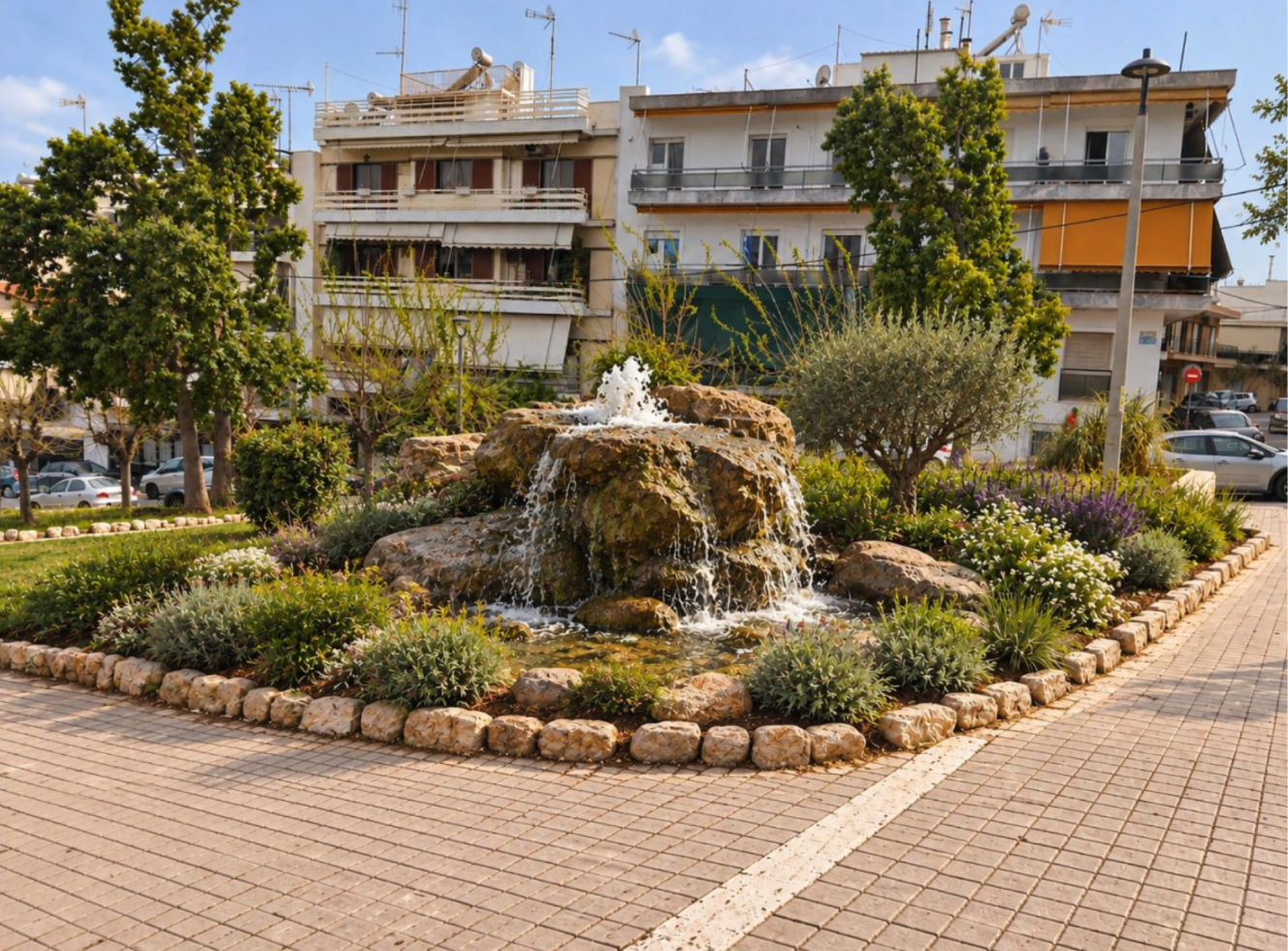
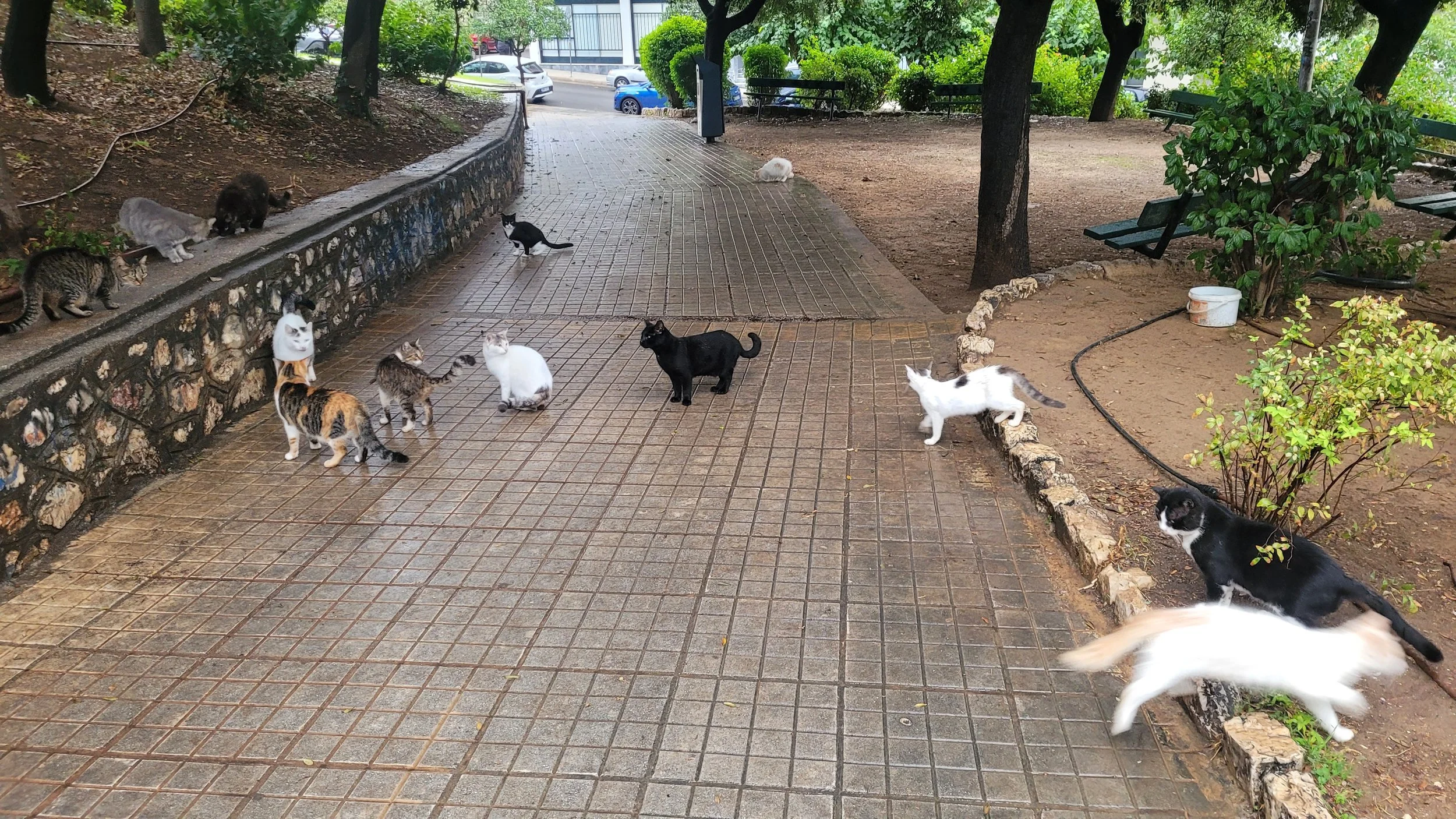
Picture a neighbourhood park in Athens, where hard, sealed surfaces give way to Mediterranean meadows, a stone amphitheatre invites neighbours to gather, and small wooden shelters give the local stray cats a proper home.
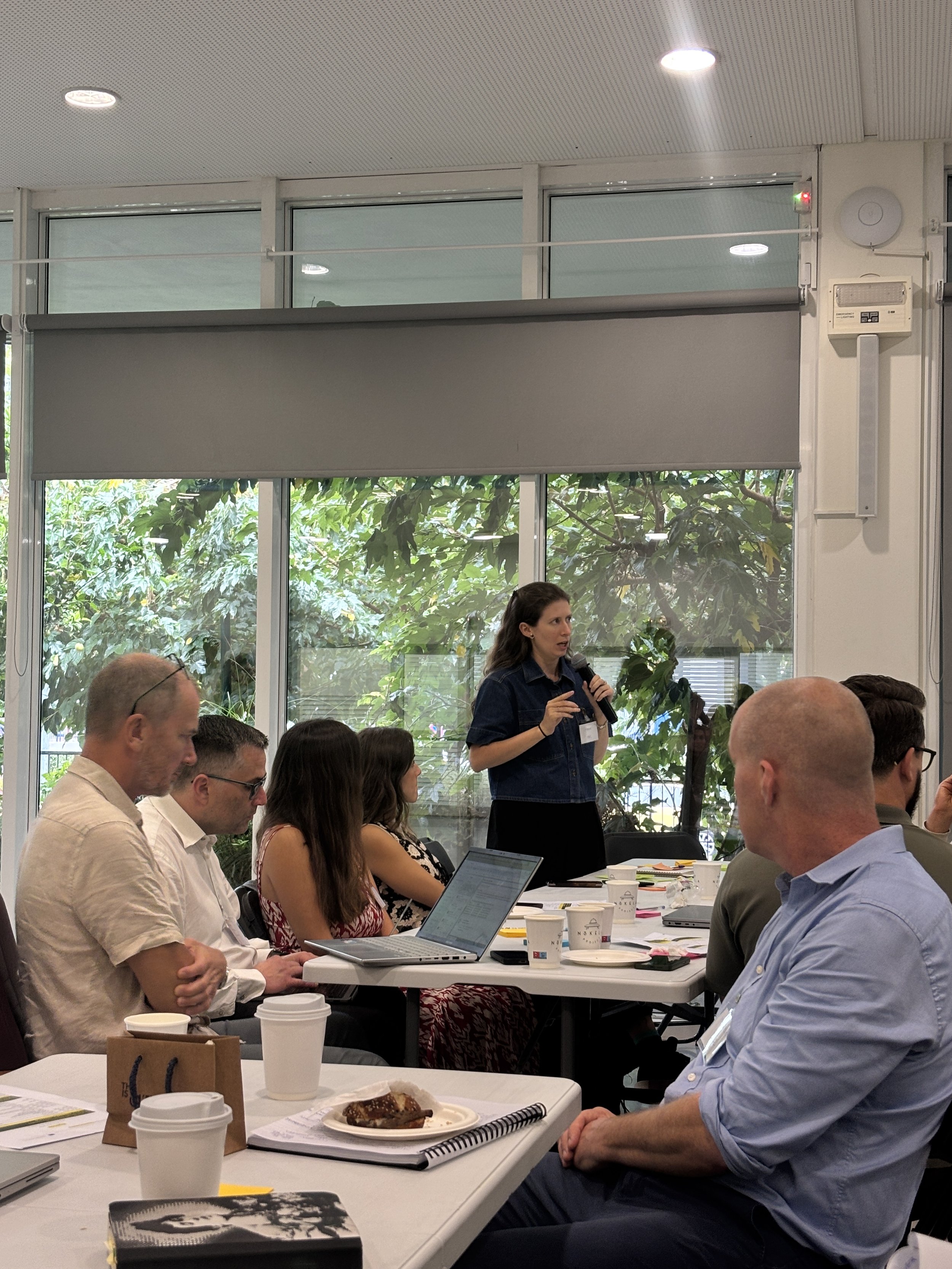
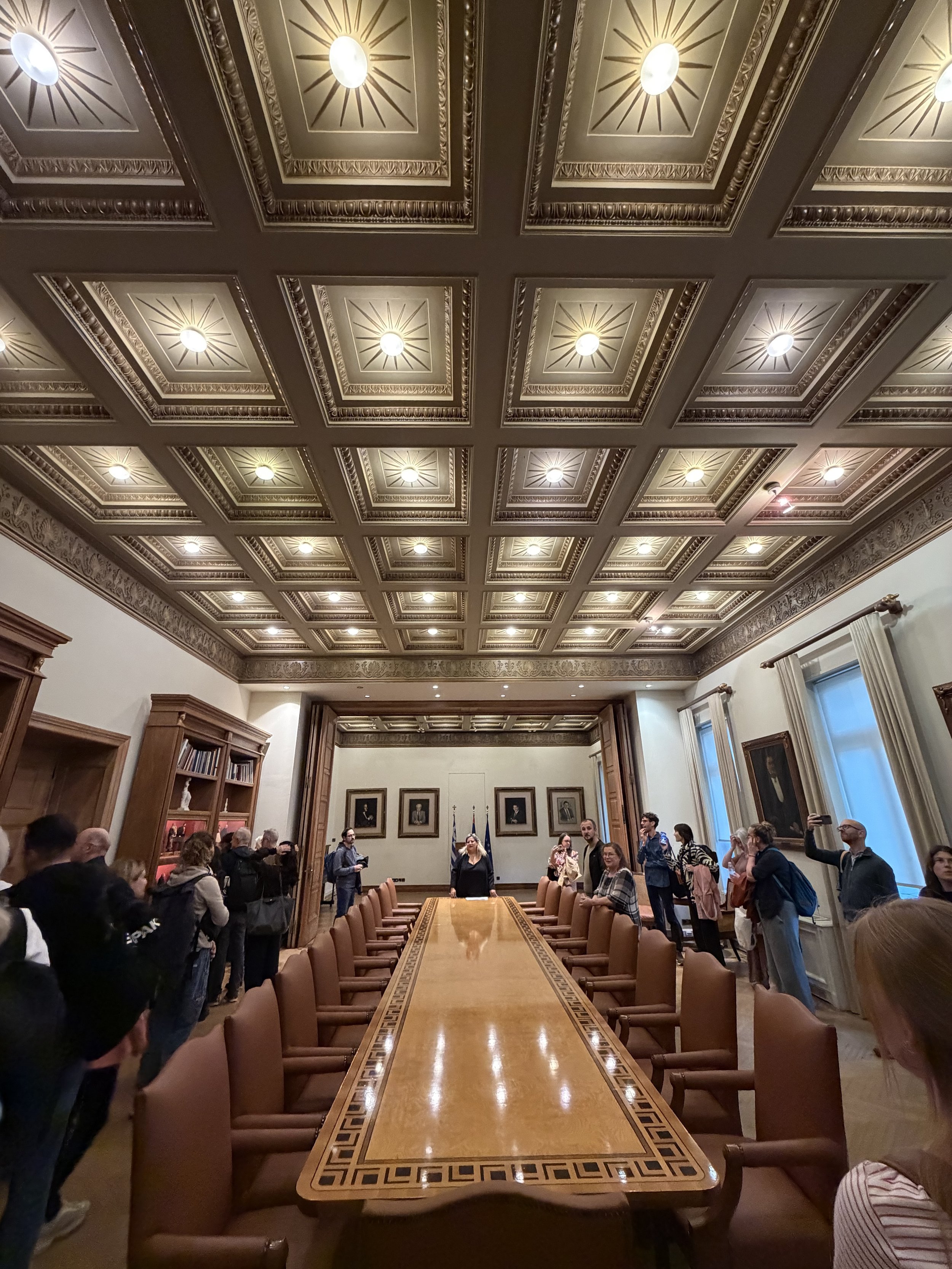
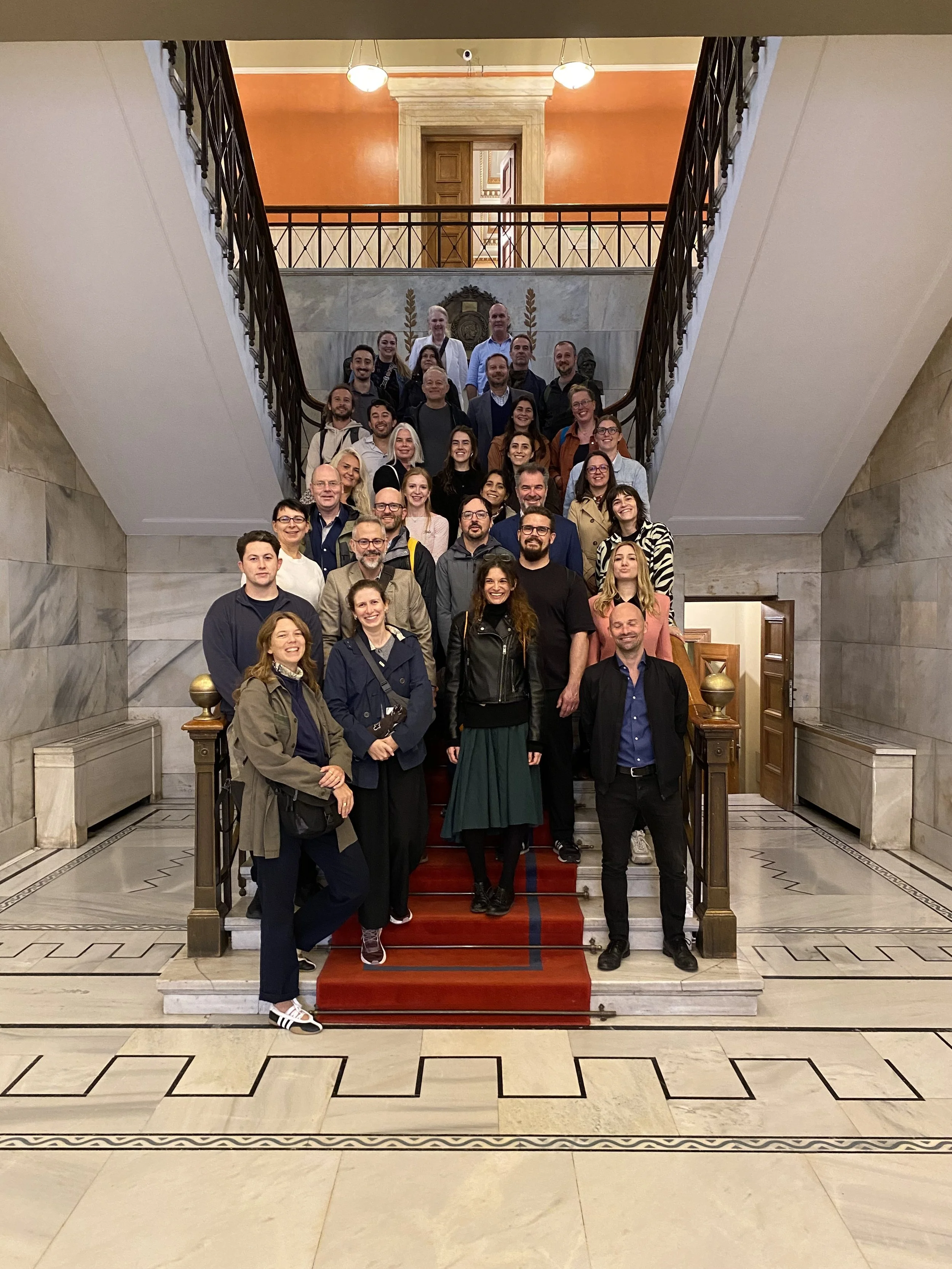
This is Profitis Ilias Park in Rizoupoli, and it is what nature-based solutions look like when they leave the drawing board. From 13 to 15 October 2026, partners from across Europe met in Athens for the 6th GreenInCities Consortium Meeting, hosted by Develop Athens and the City of Athens at the Serafeio Athletic & Community Complex. A field visit to Hersonissos, Crete, followed on 16 October.
The project is entering an exciting new phase, with the focus now on building on site and on helping other European cities follow. The meeting's common thread was that this takes more than technical drawings. It takes community engagement, solid data, inclusive governance and care for all urban residents, including non-human ones.
From co-design to implementation: Where do our cities stand?
5 Leader Cities have final designs. Athens, Barcelona, Helsinki, Nova Gorica and Prato have completed their co-analysis and co-design phases, producing final masterplans and technical intervention packages.
2 cities are under construction. Works are underway in Helsinki (Longinoja Park) and Prato (San Paolo Educational & Sports Hub). Barcelona, Nova Gorica and Athens will follow as procurement concludes.
6 Follower Cities are developing masterplans. Birštonas, Cork, Hersonissos, Matosinhos, Pécs and Reykjavík are moving from replication strategies into local co-analysis, co-design and masterplanning.
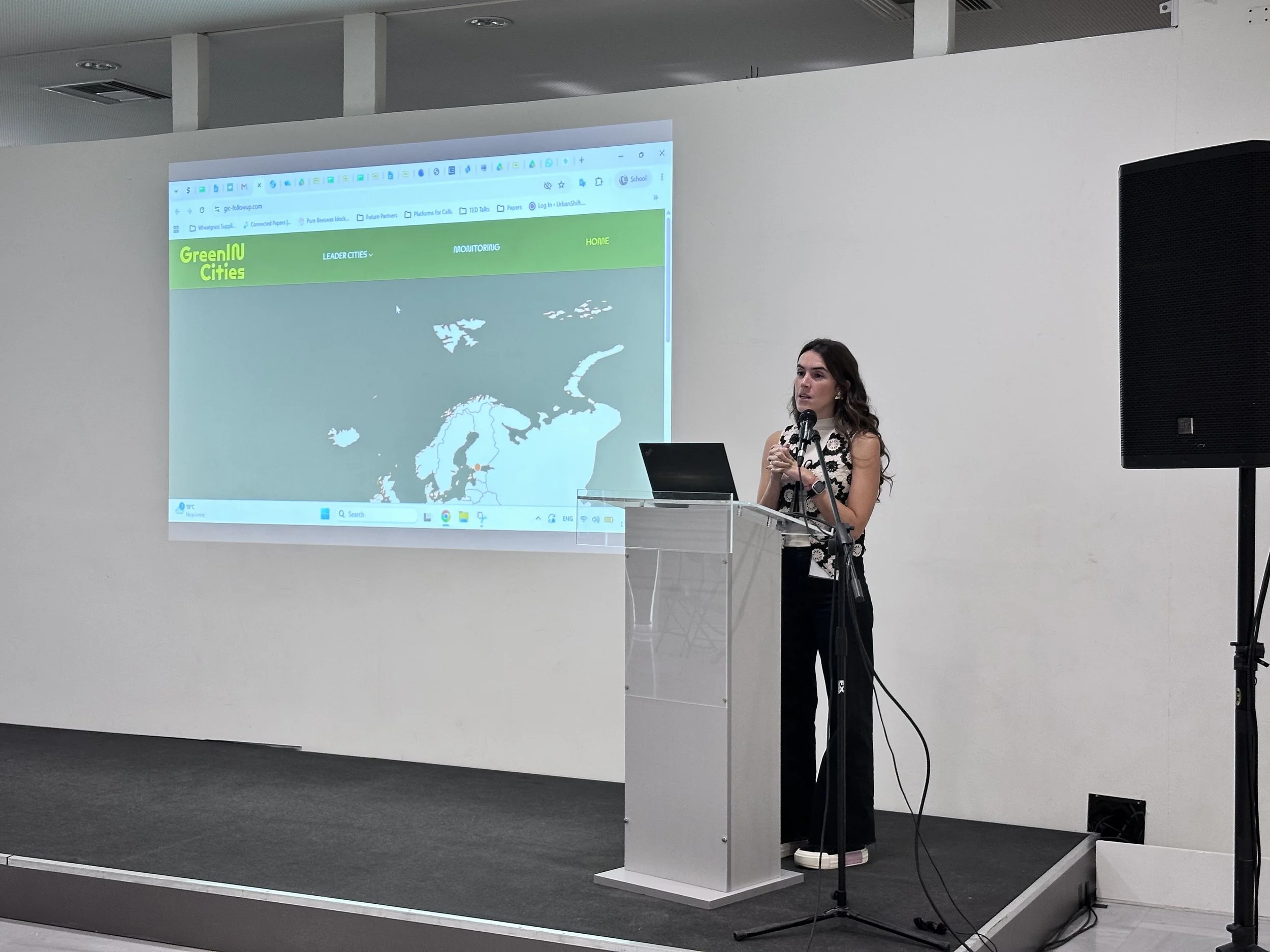
Data and digital tools were at the heart of the technical sessions. Multicriteria Group (MCRIT) confirmed that baseline data collection across 46 shared indicators, covering environmental metrics, urban ecosystems and public space use, is now complete for all five Leader Cities. Partners also saw the new Universal Thermal Climate Index (UTCI) visualiser developed by IES, which simulates heat stress to help design better cooling interventions.
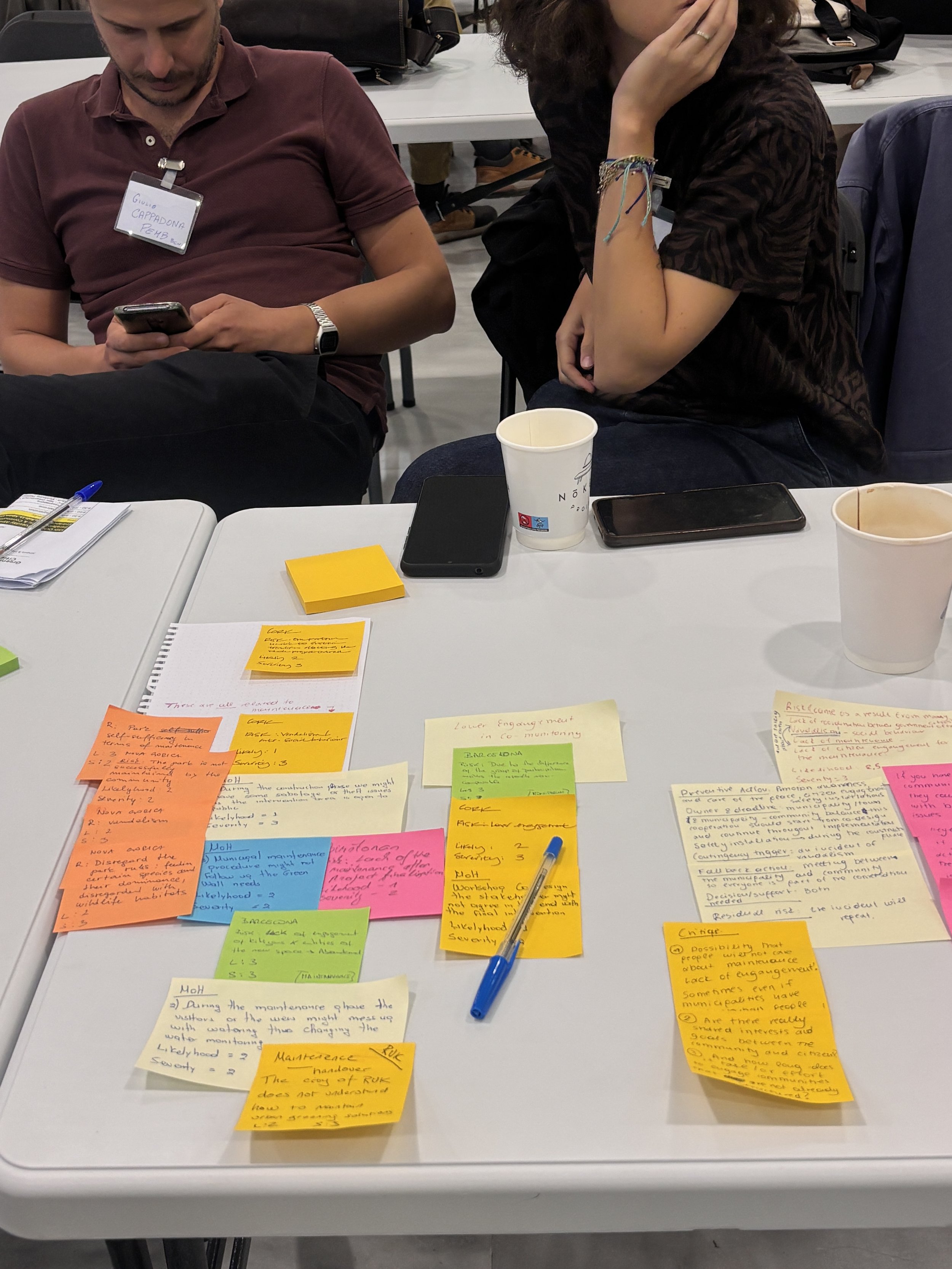
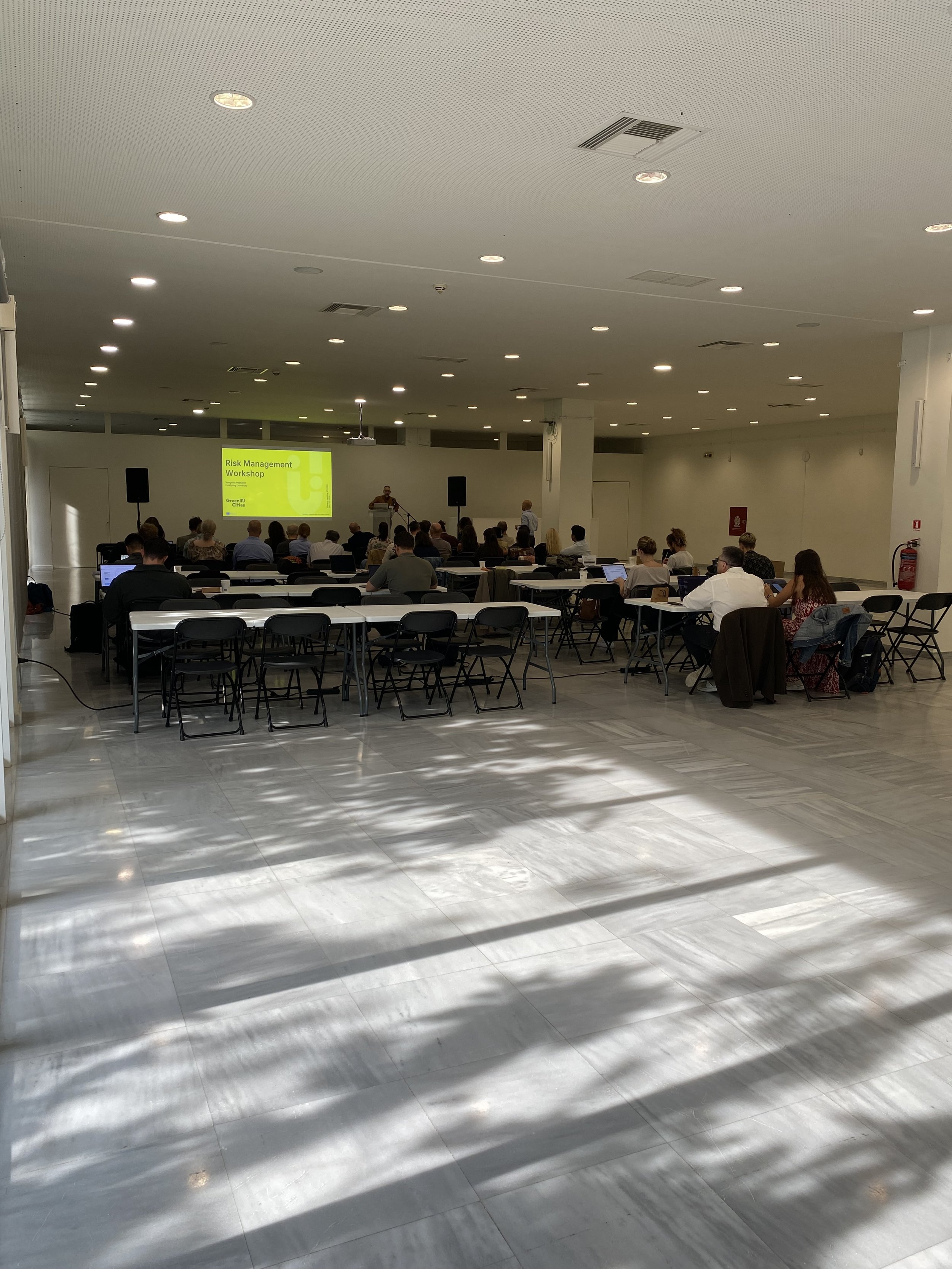
The sessions also addressed the practical challenges of implementation. Linköping University facilitated a Risk Management Workshop, while LAND guided partners through the Sustainability Compass, which examines interventions through the values of the New European Bauhaus and Environmental, Social and Governance (ESG) principles.
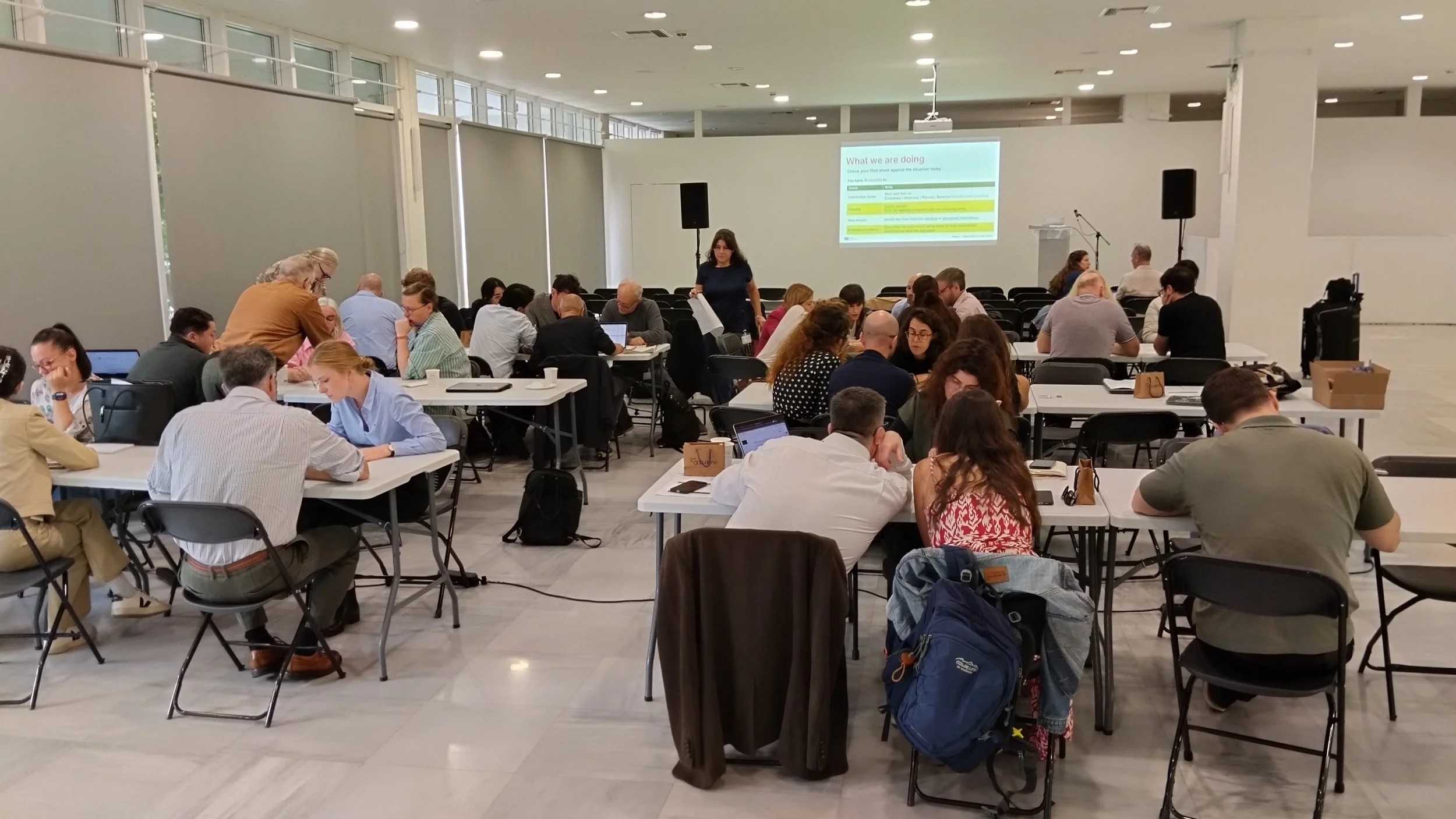
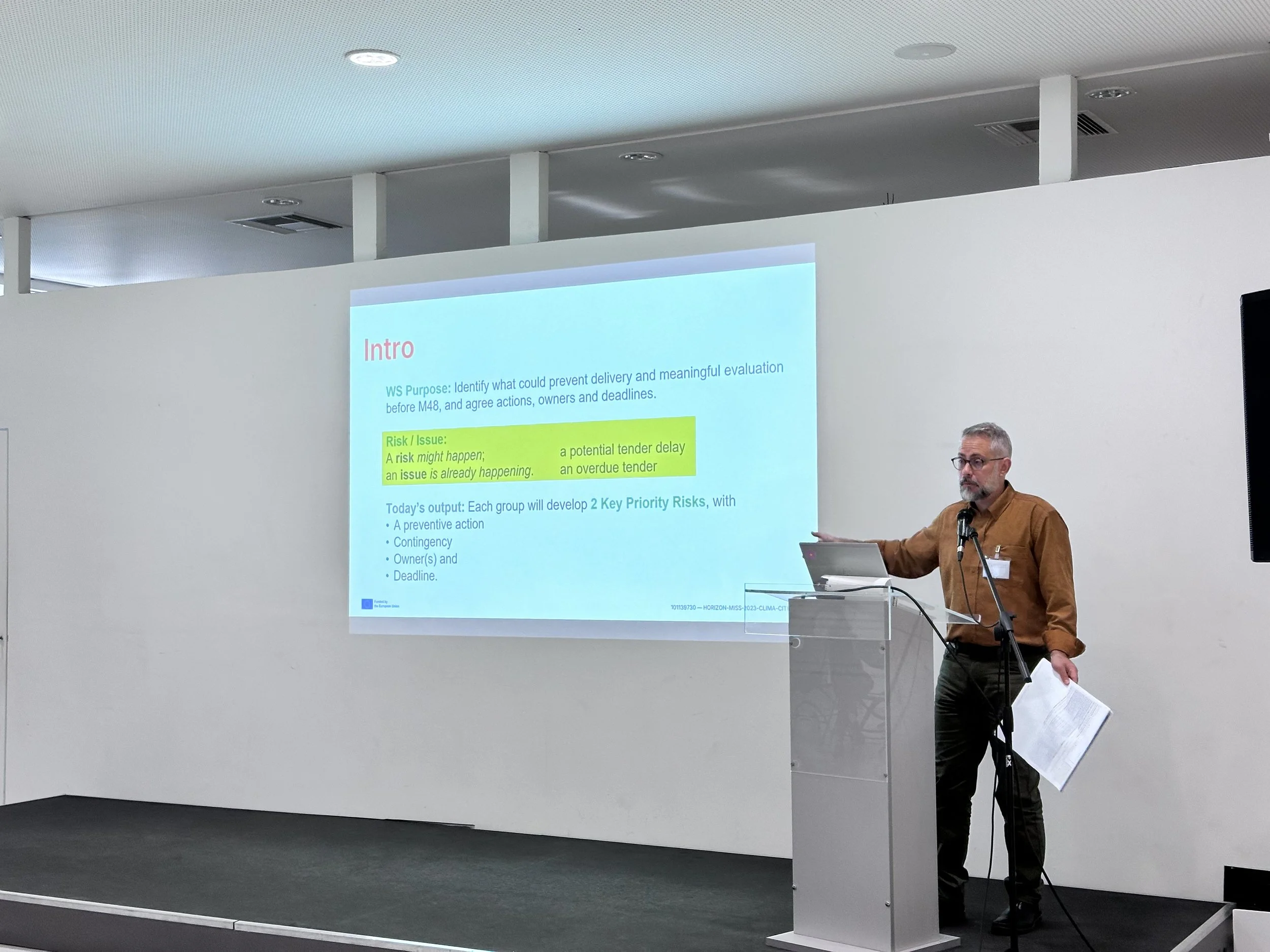
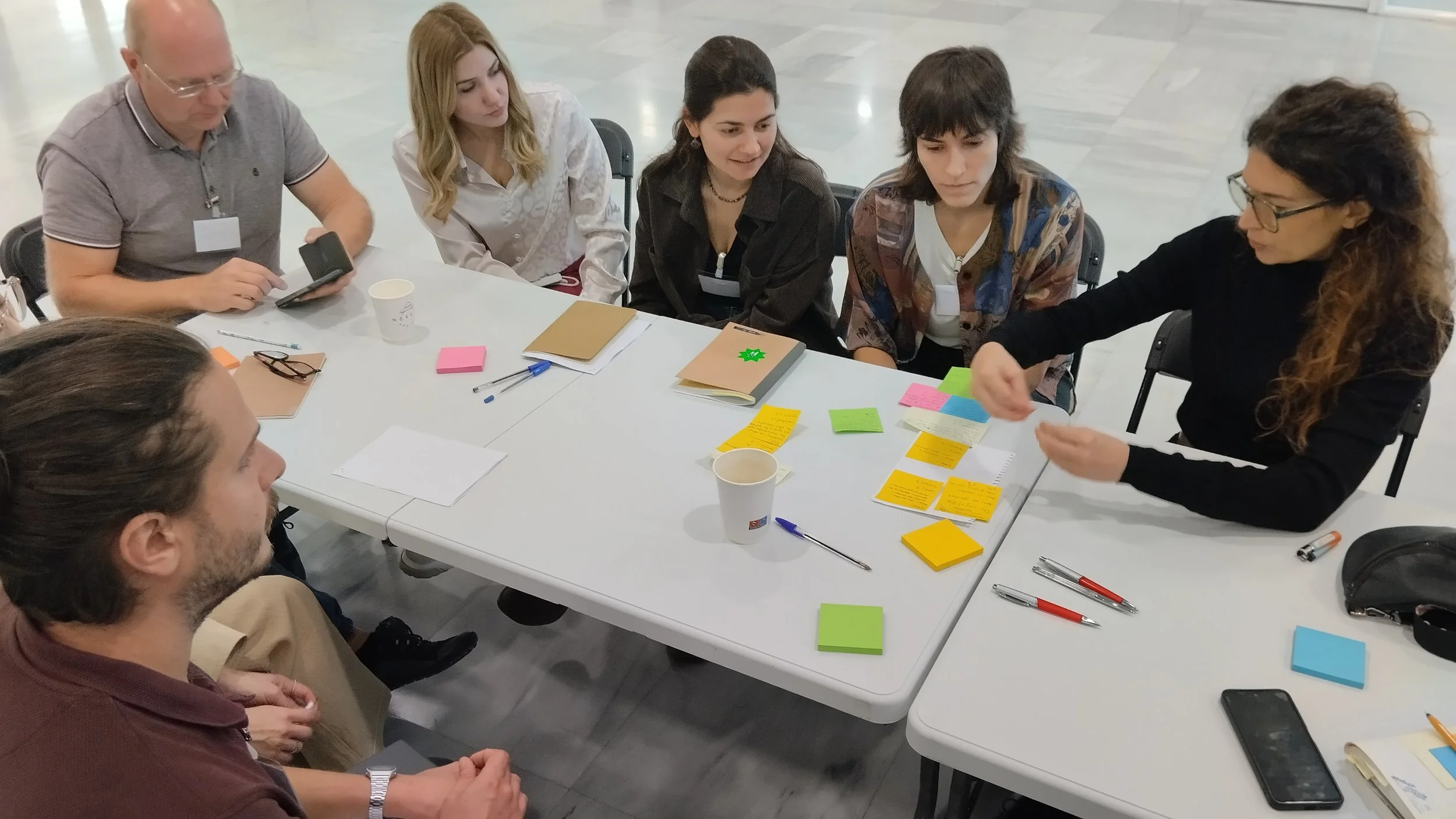
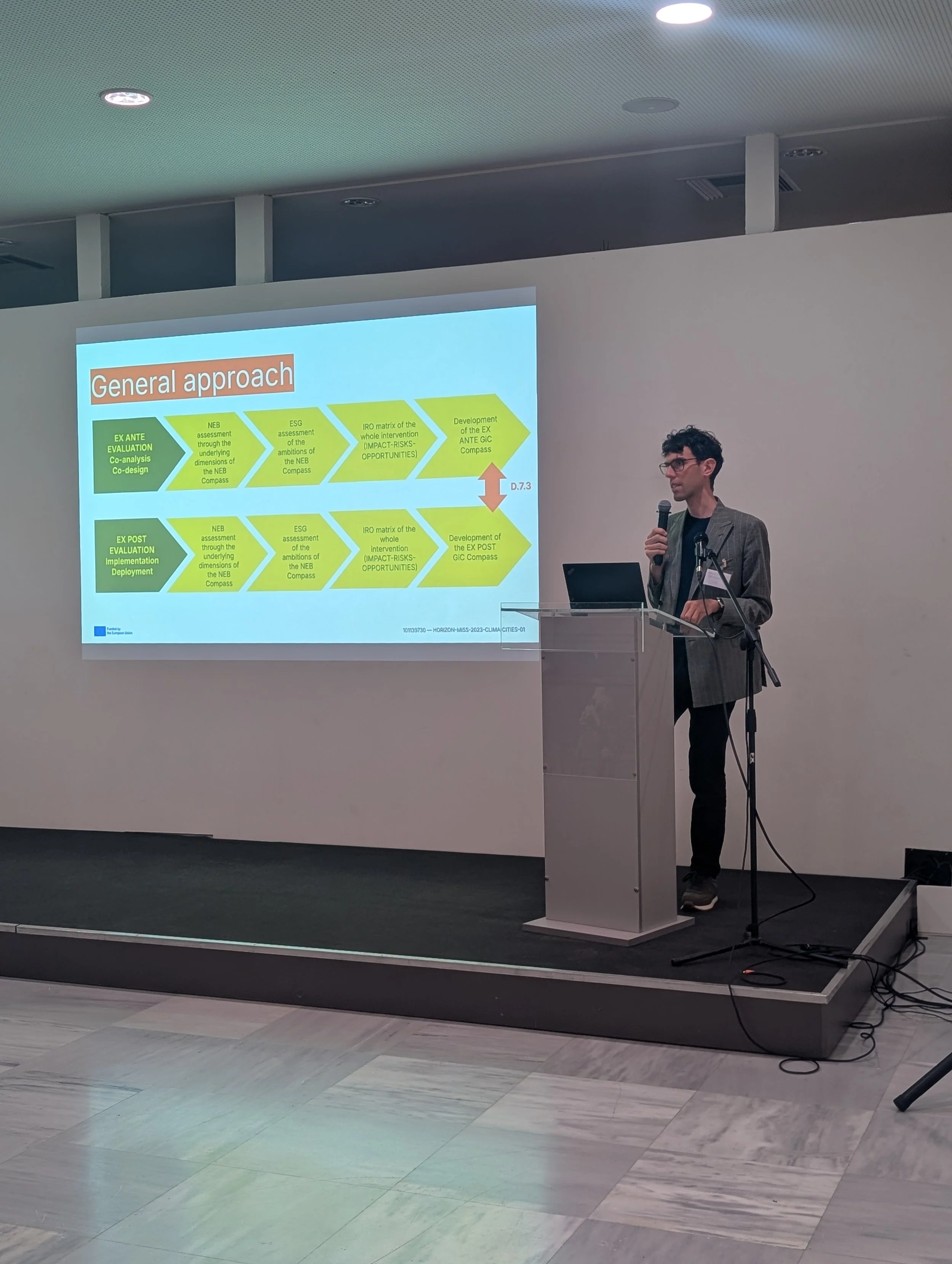
Walking the site in Rizoupoli
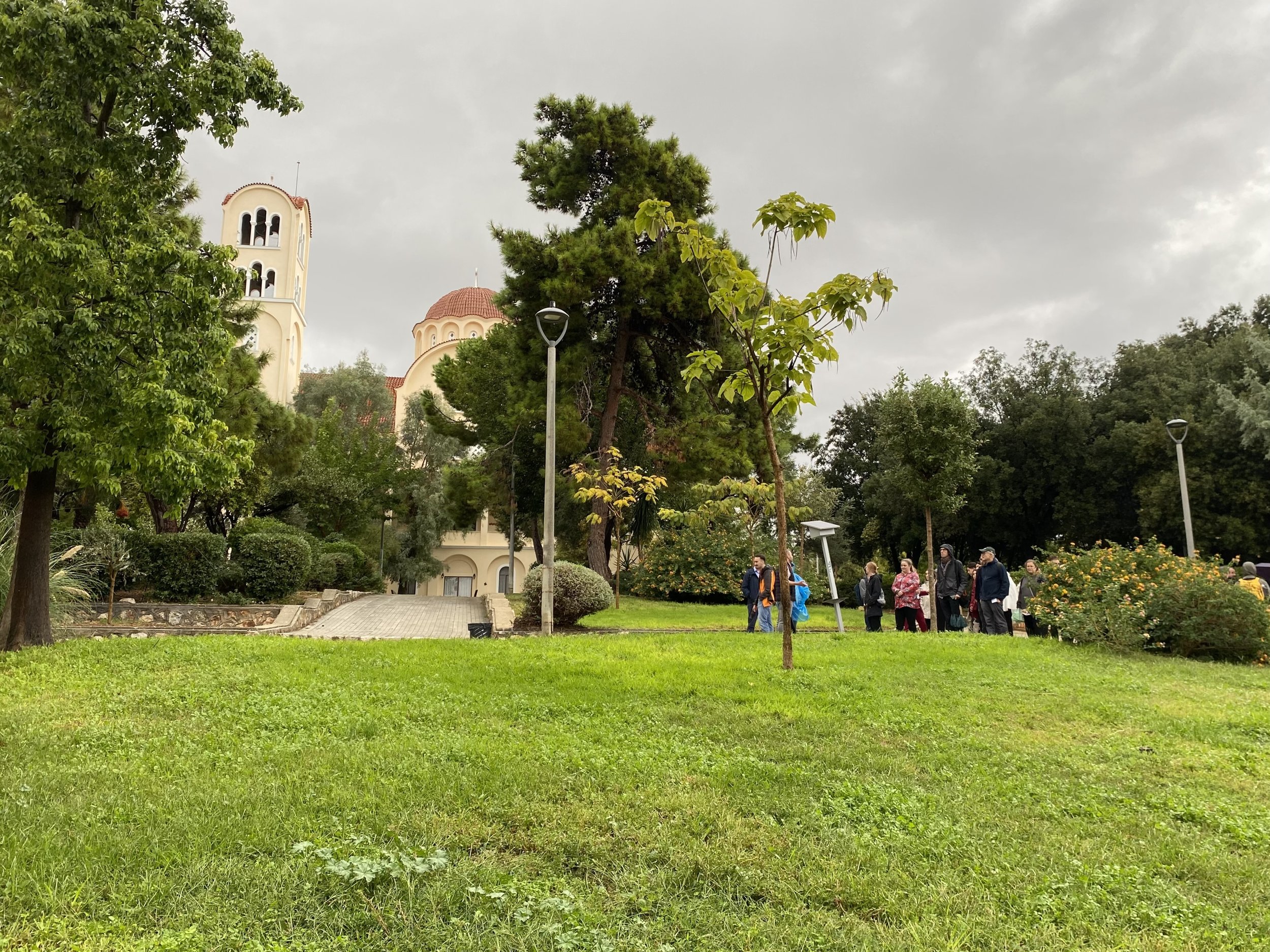
On the first afternoon, partners visited Profitis Ilias Park in the 5th Municipal District of Athens. This densely populated neighbourhood faces socio-economic challenges and has limited accessible green space, resulting in a strong urban heat island effect. Representatives of Develop Athens and URBANA Lab guided the group through the planned interventions:
depaving sealed surfaces and creating drought-resilient Mediterranean meadows to reduce runoff and heat;
turning staircases and walkways into nature-integrated ramps, improving access for older residents and people with disabilities;
building a gabion amphitheatre where residents can gather, use and take ownership of the park;
adding circular stone fountains and rain gardens to regulate the microclimate;
creating care areas for the neighbourhood's stray cats, alongside protected bird and insect shelters and native planting for pollinators.
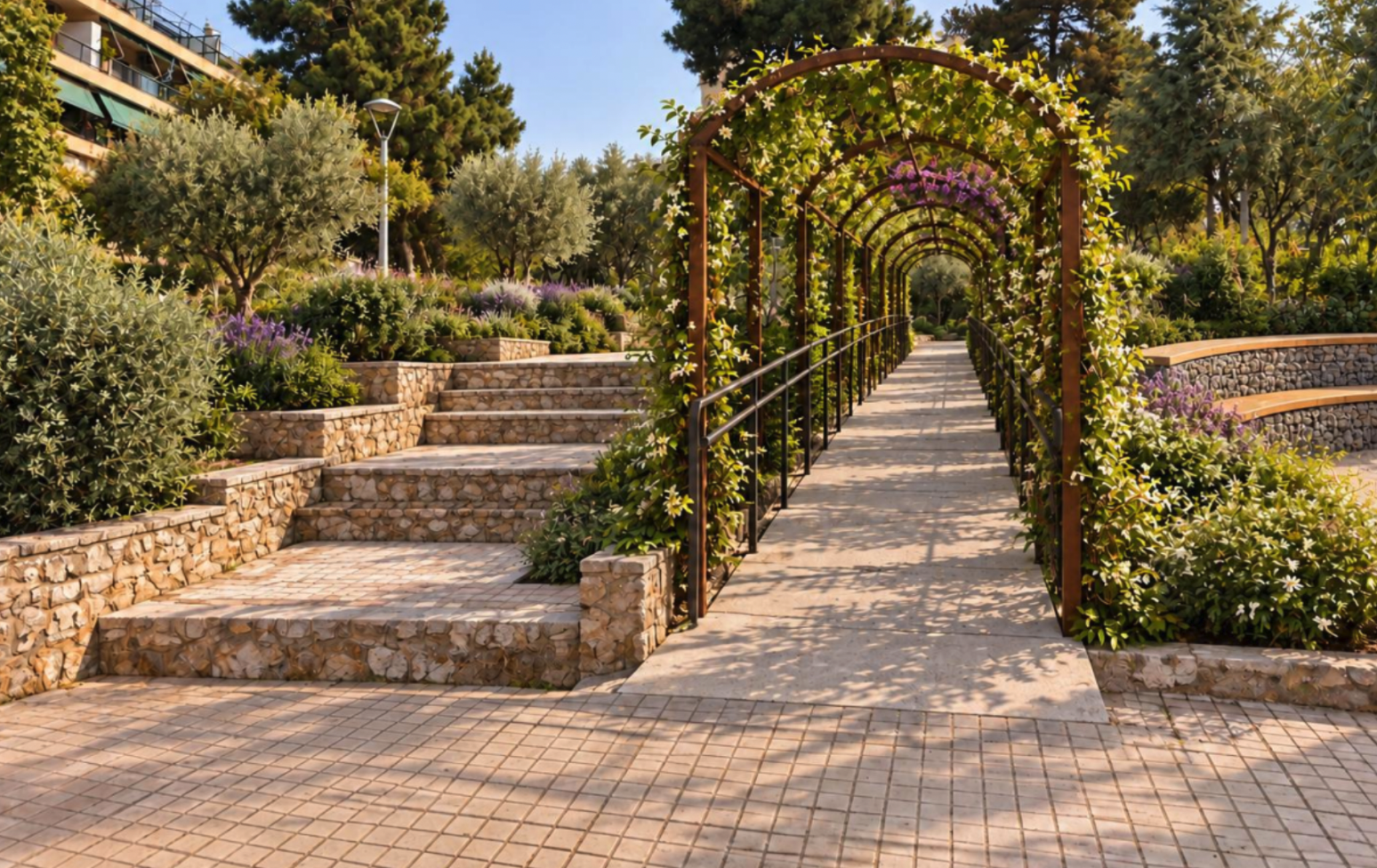
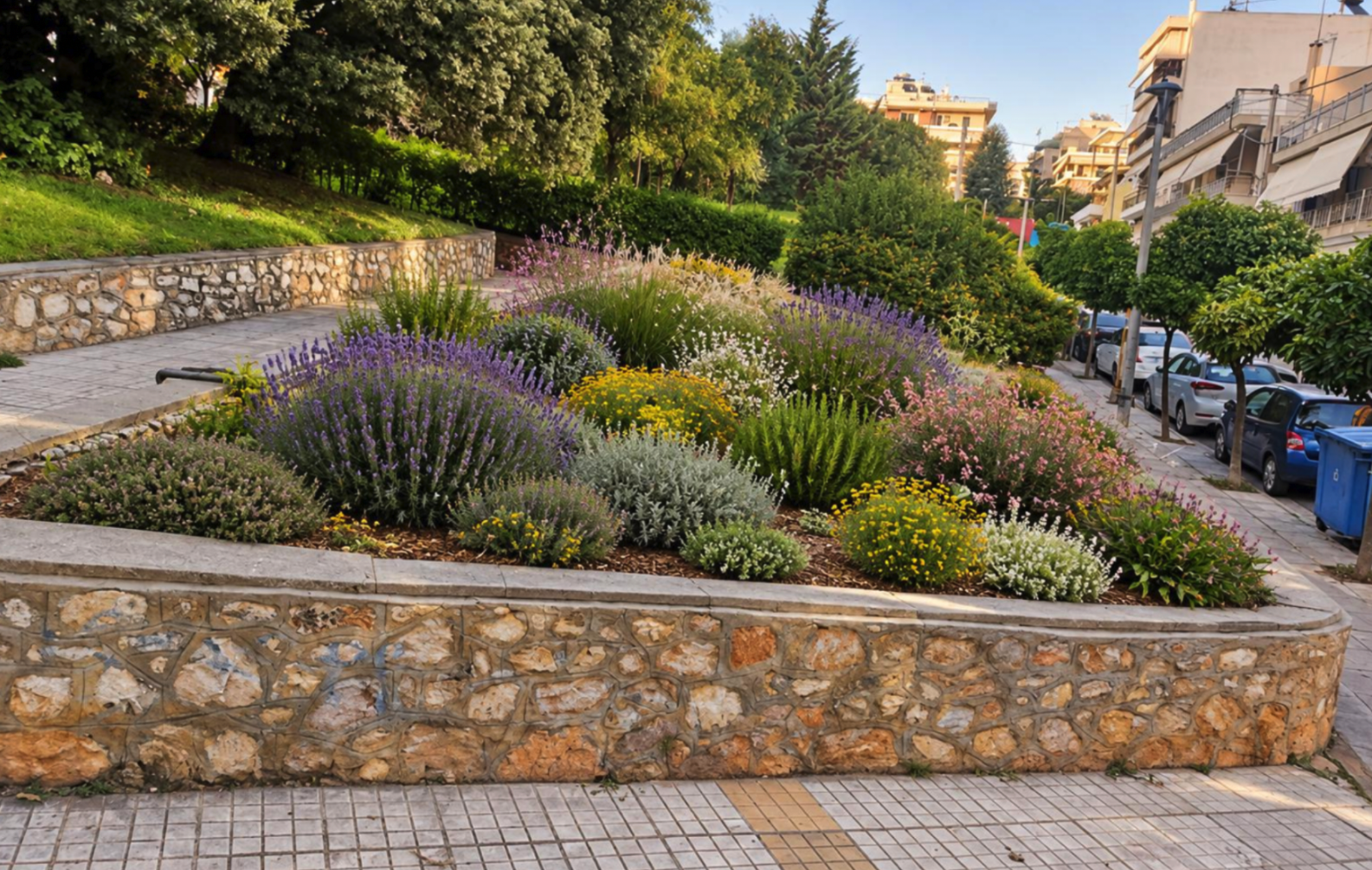
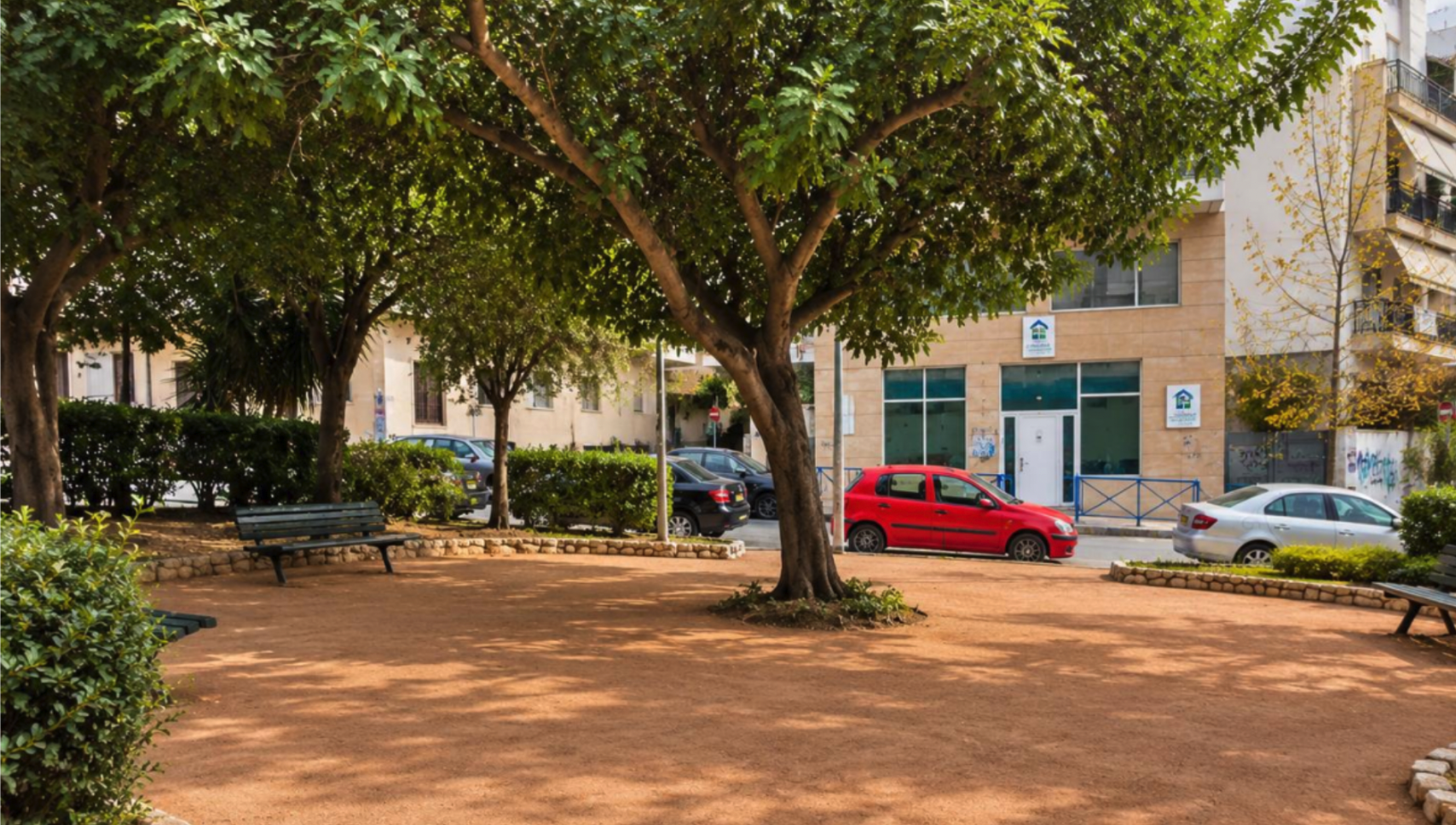
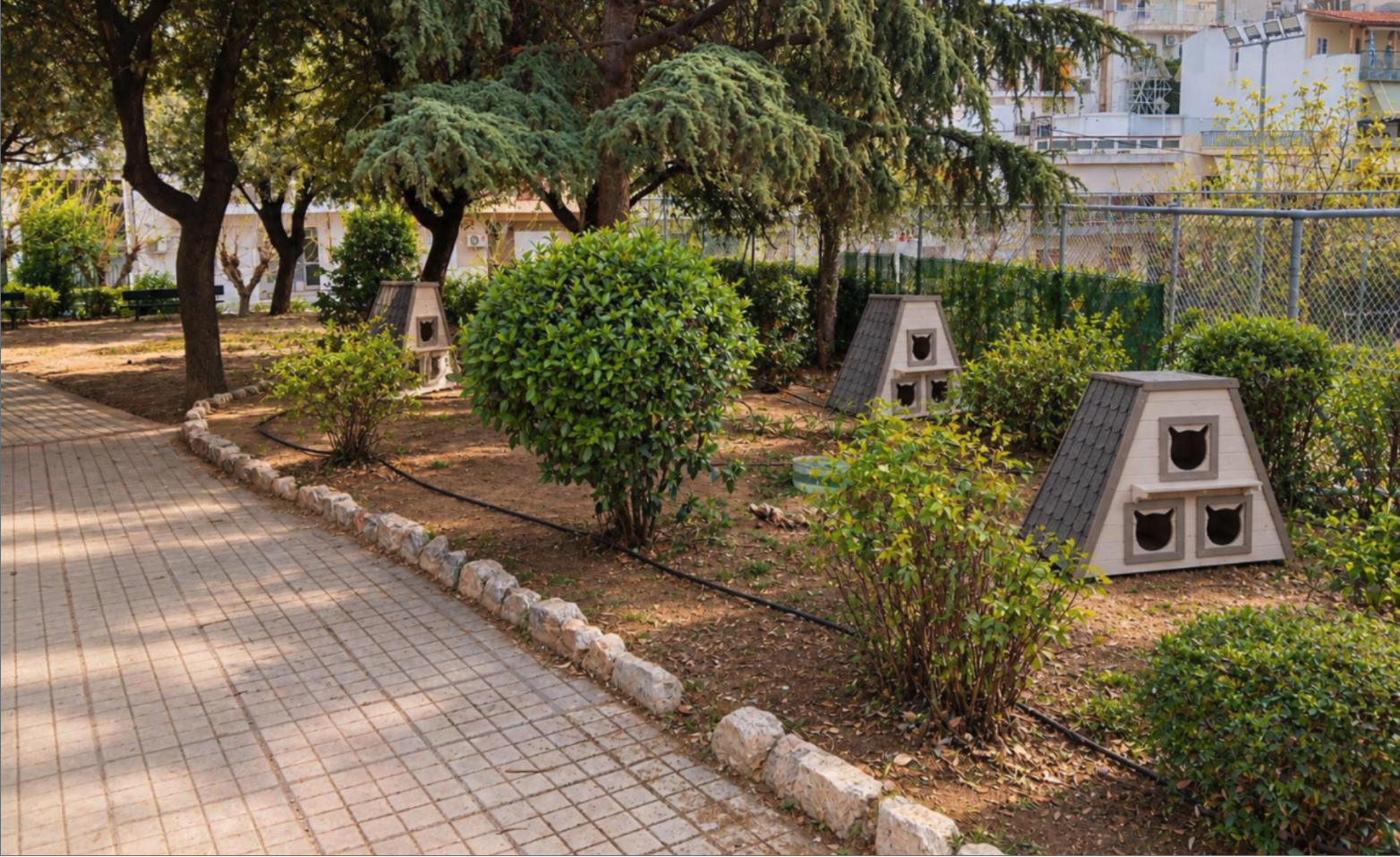
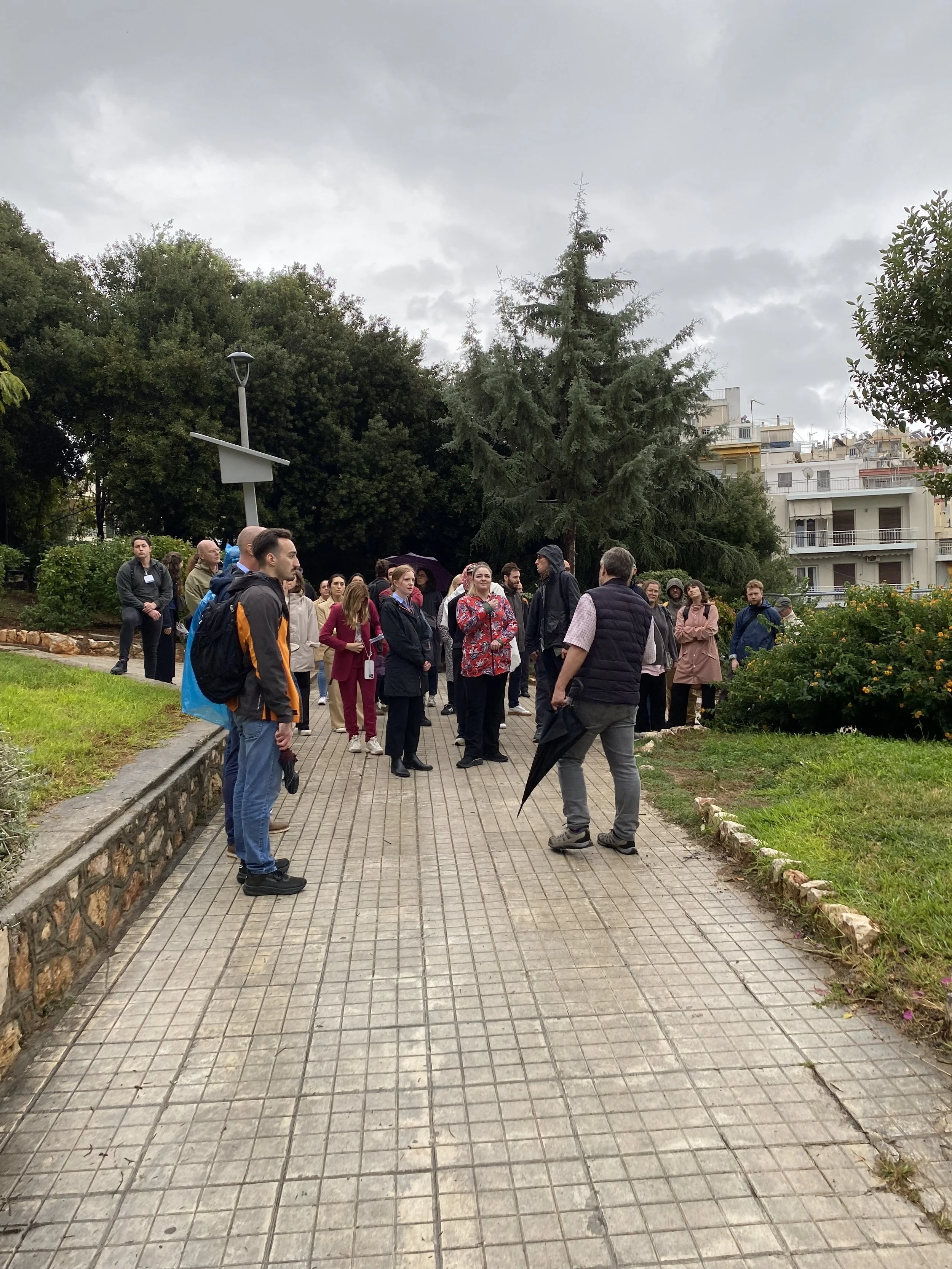
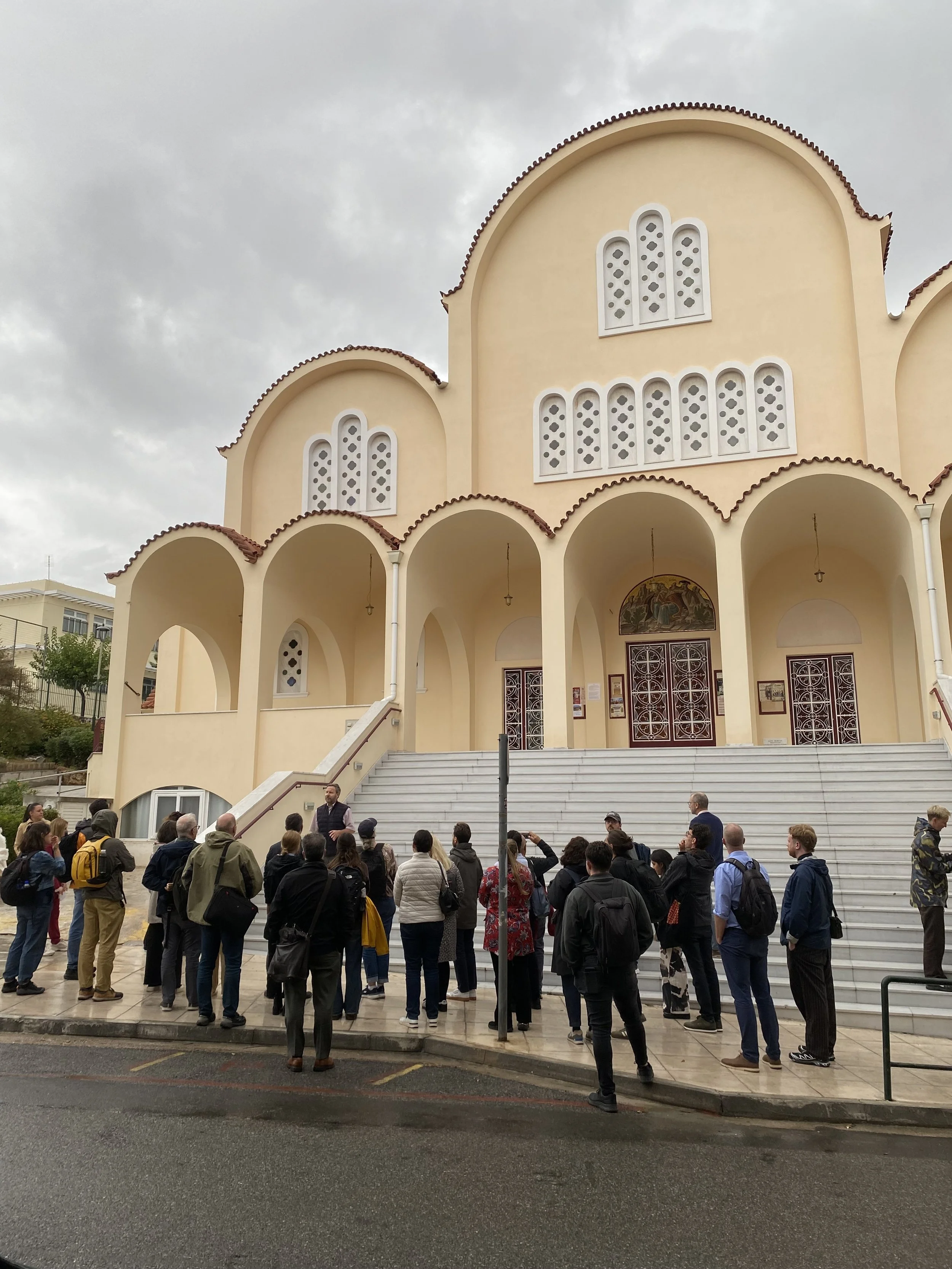
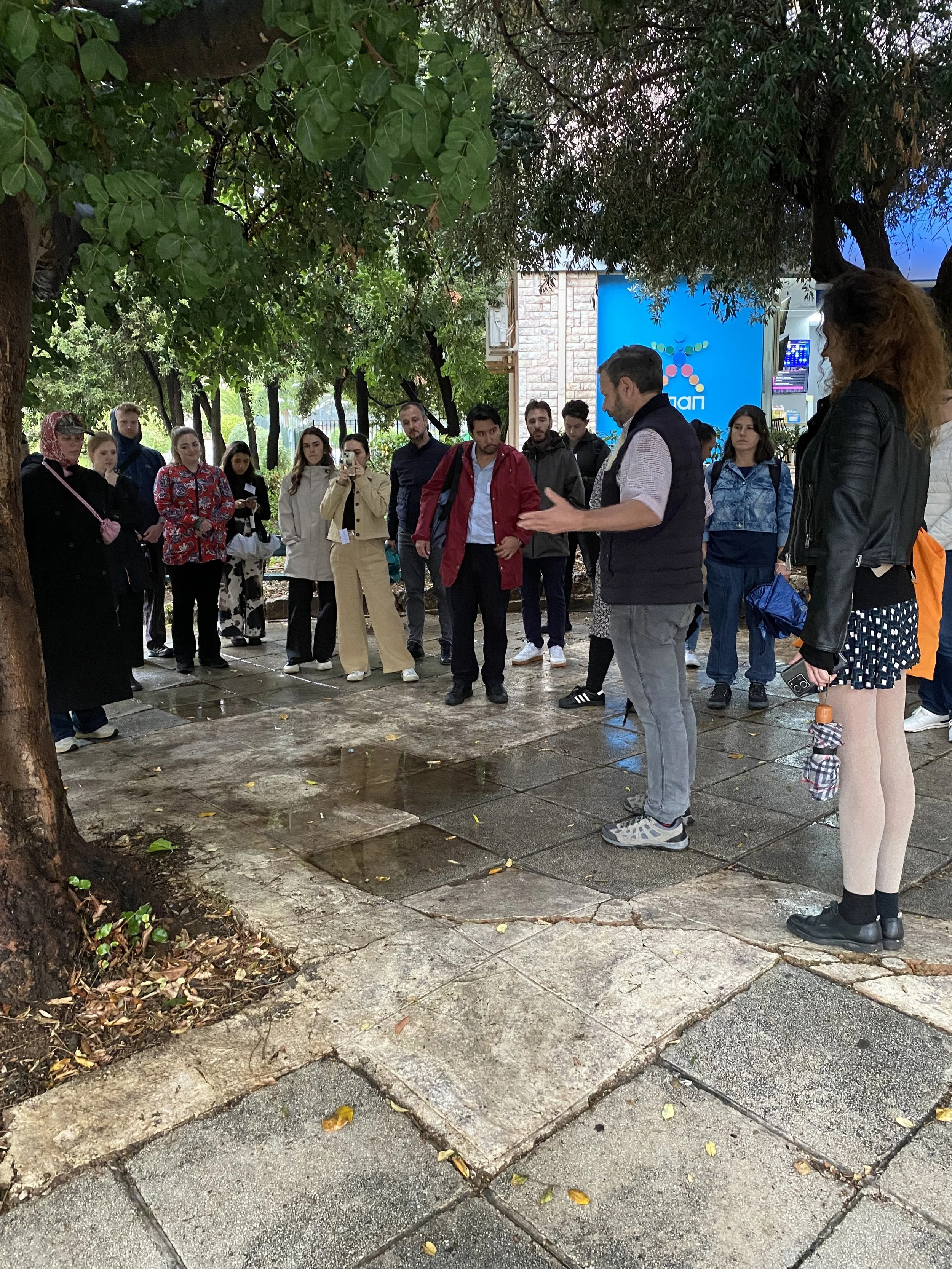
Our communication team from Ideas for Change (IFC), captured footage and spoke with community members, including the priest of the church that sits within the park, as well as technical leads and municipal representatives.
Making solutions easy to replicate
With the Leader Cities’ designs now final, GreenInCities is developing a series of Innovation Use Cases, coordinated by project coordinator IAAC. They translate the experience and results of the pilot cities into practical approaches that other European municipalities can learn from and adapt.
Each Innovation Use Case is a tailored combination of nature-based solutions, digital and analytical tools, and impact indicators that responds to a city’s specific climate, social and ecological challenges. Structuring pilots this way makes it easier for other cities to evaluate, adapt and reuse what works.
Athens presented its use case, “Inclusive Urban Oasis: Rewild and Activate”, as an example. It brings together circular fountain shelters, nature-integrated seating and amphitheatres, cat caregiving facilities and low-maintenance Mediterranean urban forests. Rather than treating these as isolated interventions, the use case connects them into an integrated approach to urban regeneration. The Innovation Use Cases will soon appear on our website.
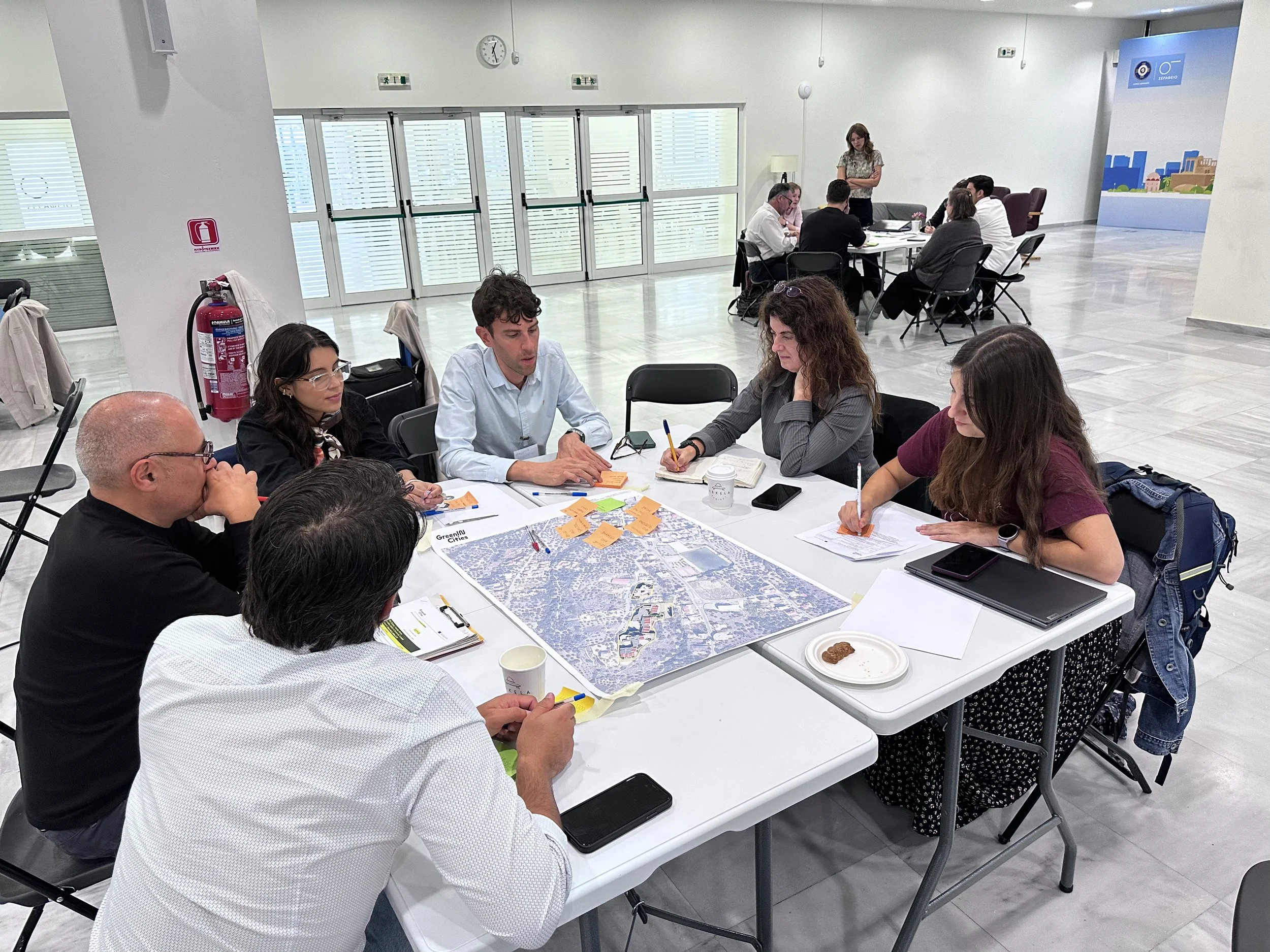
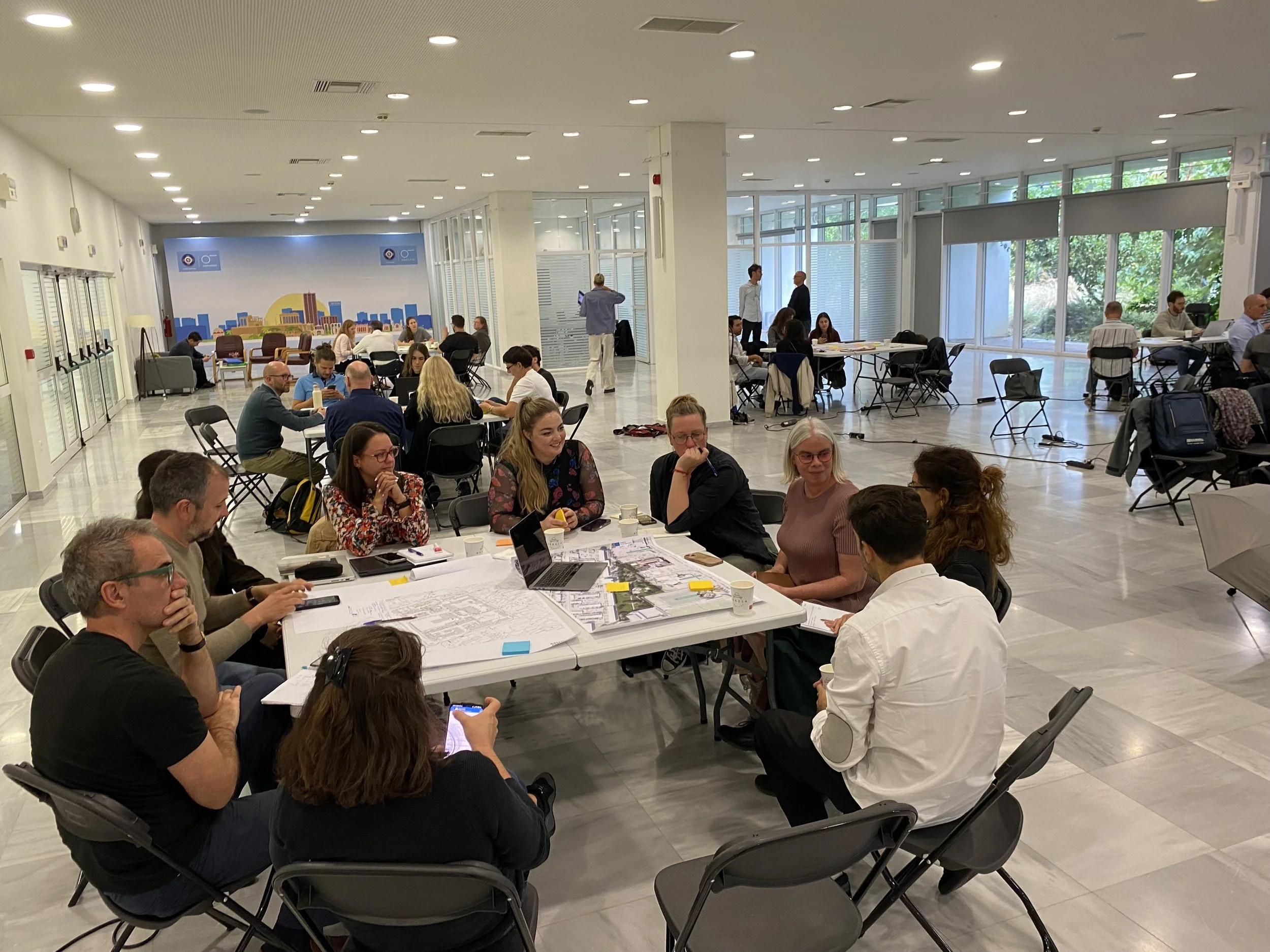
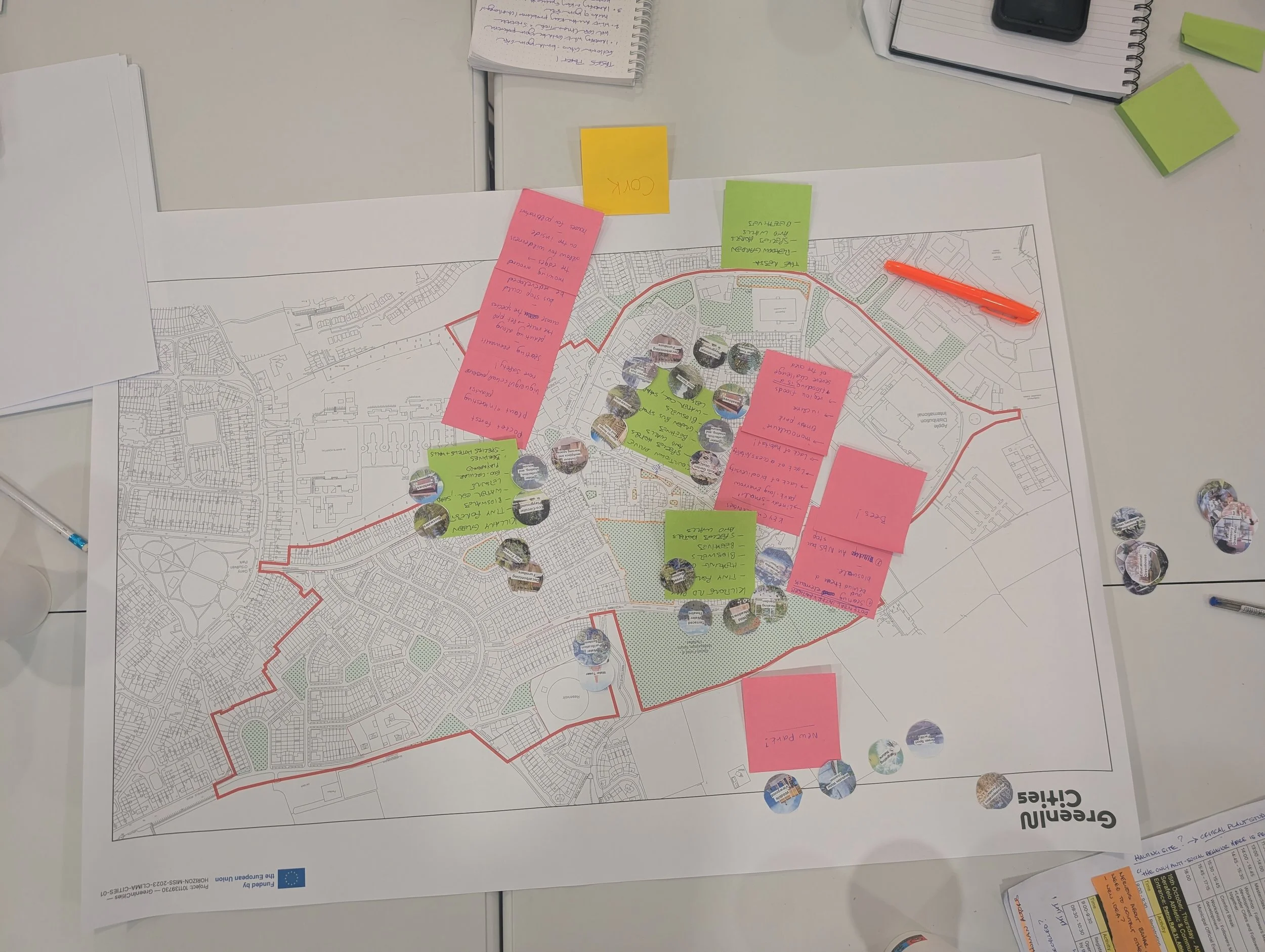
To support the Follower Cities, Marco Acri of the University of Nova Gorica led a masterclass on masterplan development, drawing on previous European Living Lab experience. Working groups then paired Leader and Follower Cities: Athens with Cork, Barcelona with Birštonas, Helsinki with Matosinhos, Nova Gorica with Pécs and Reykjavík, and Prato with Hersonissos. Each pair refined its replication roadmap and shaped concrete use cases grounded in local species and urban challenges.
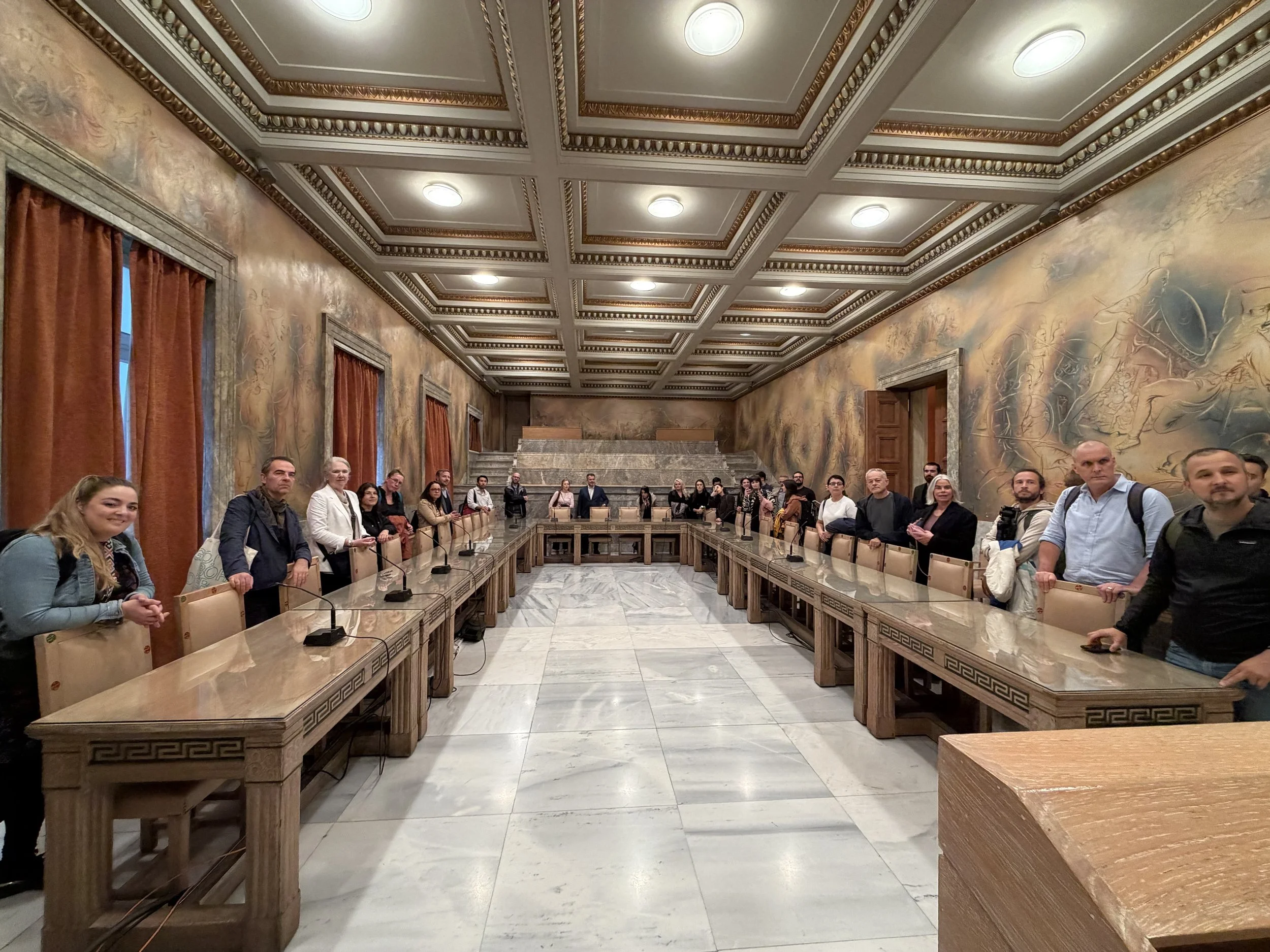
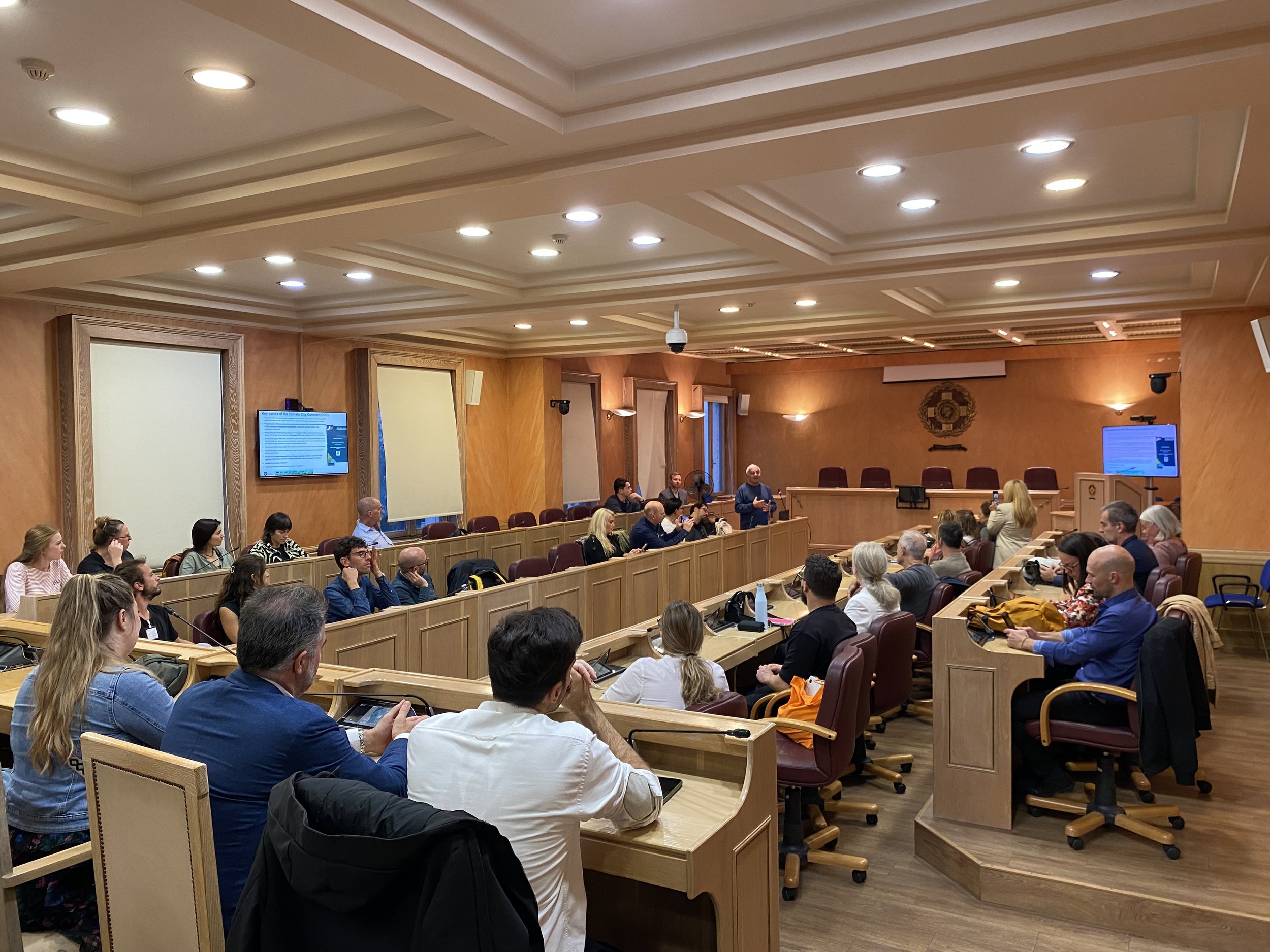
The second day closed at Athens City Hall, where municipal representatives highlighted the city’s commitment to climate adaptation and European cooperation. Nikos Chrysogelos, Municipal Councillor for the Climate Pact and Social Economy, also presented the city’s Cooling Havens project and showed how water and nature-based solutions can improve thermal comfort and social equity.
One last stop: Exploring coastal adaptation in Crete
The final morning in Athens was devoted to masterplan sessions, ensuring that every Follower City has a clear path towards small-scale, twinned interventions.
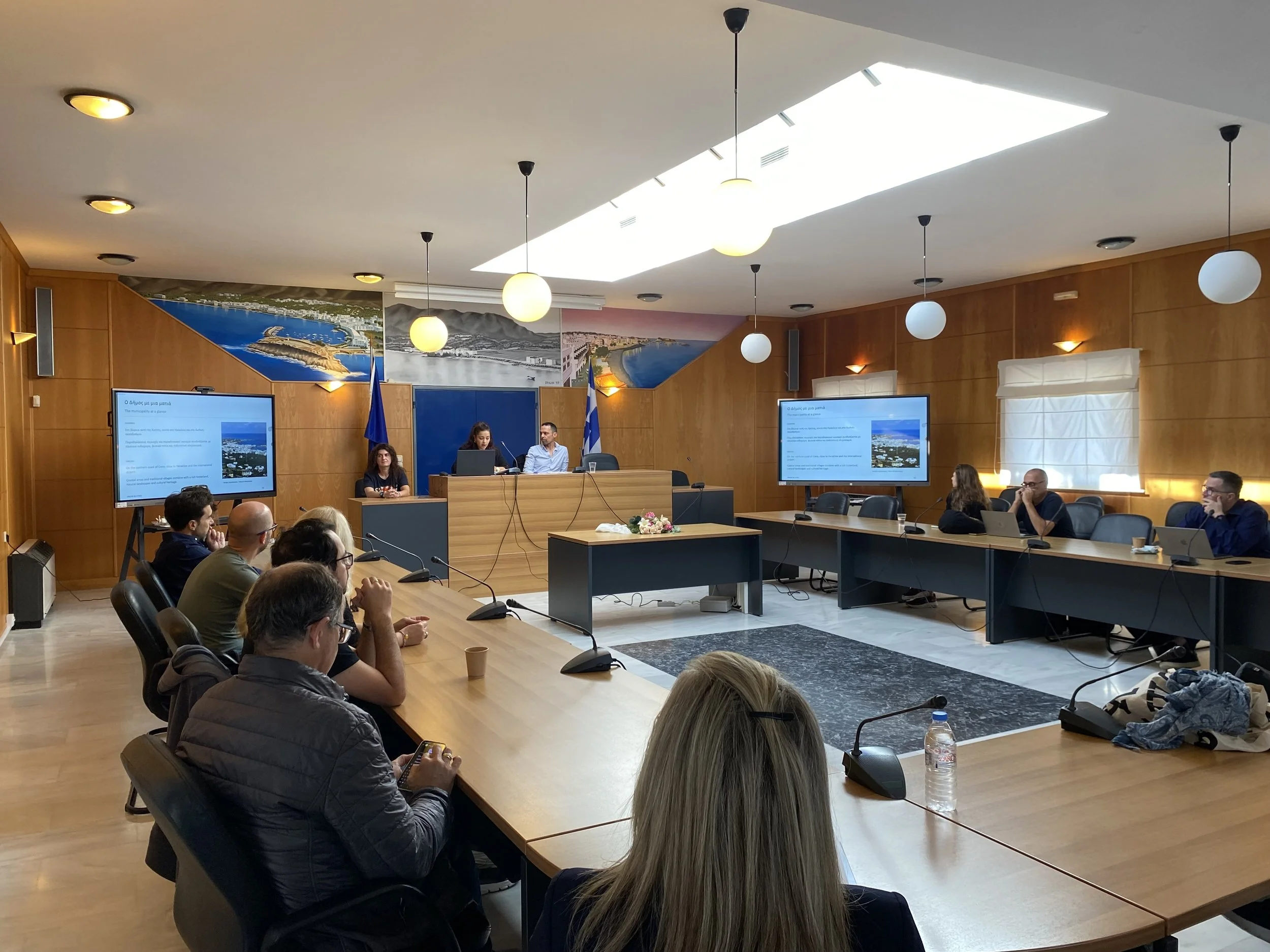
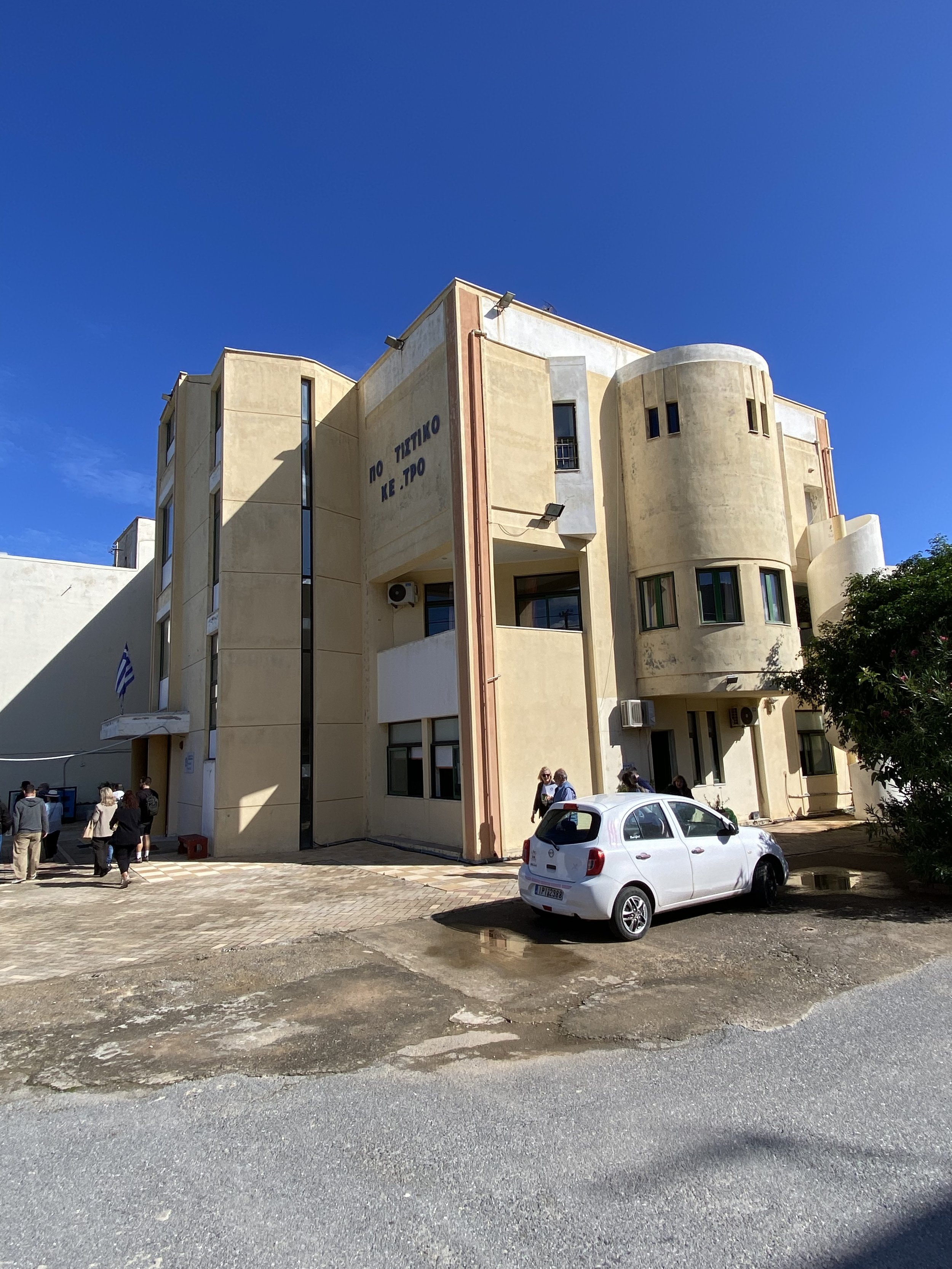
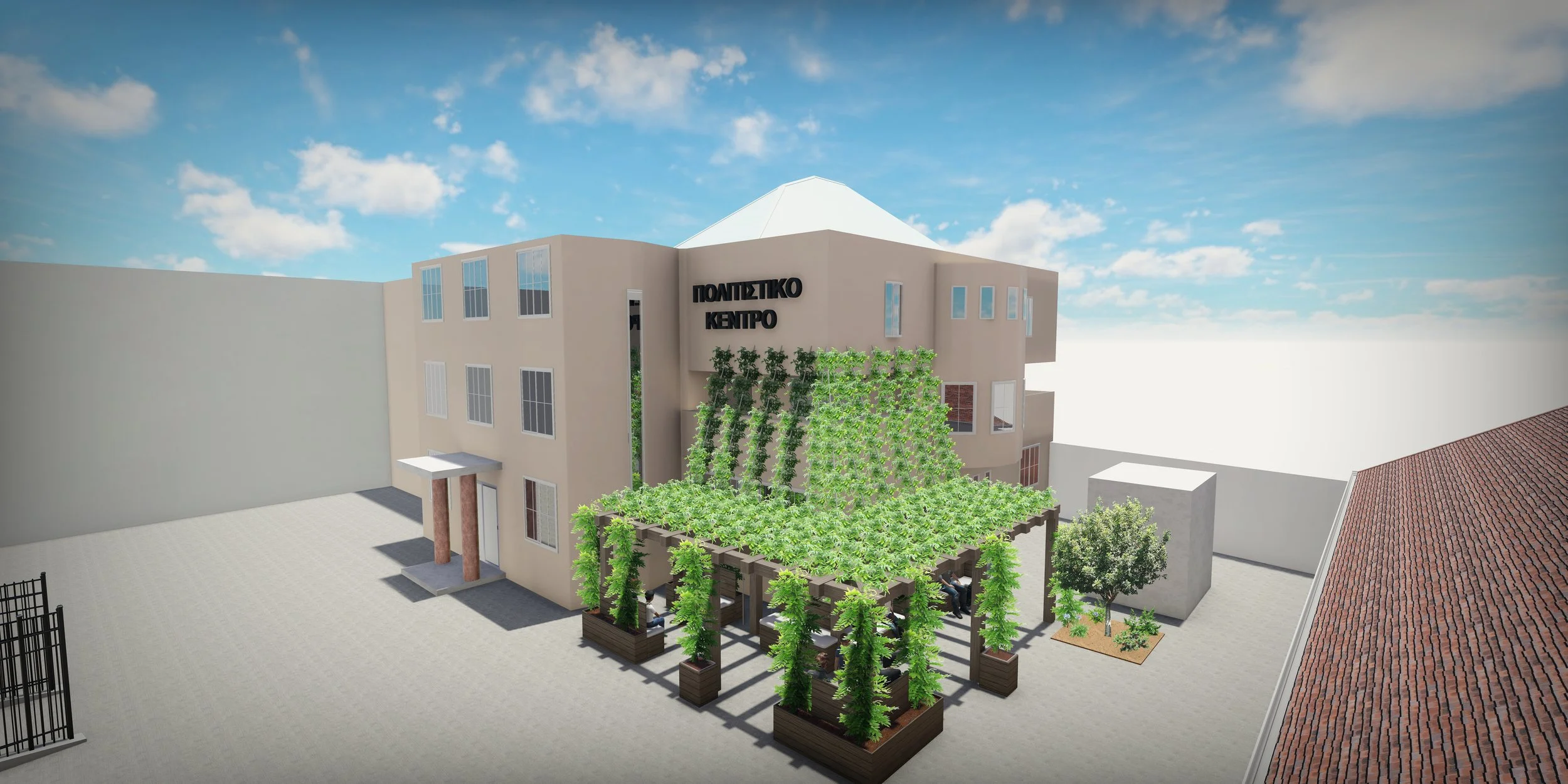
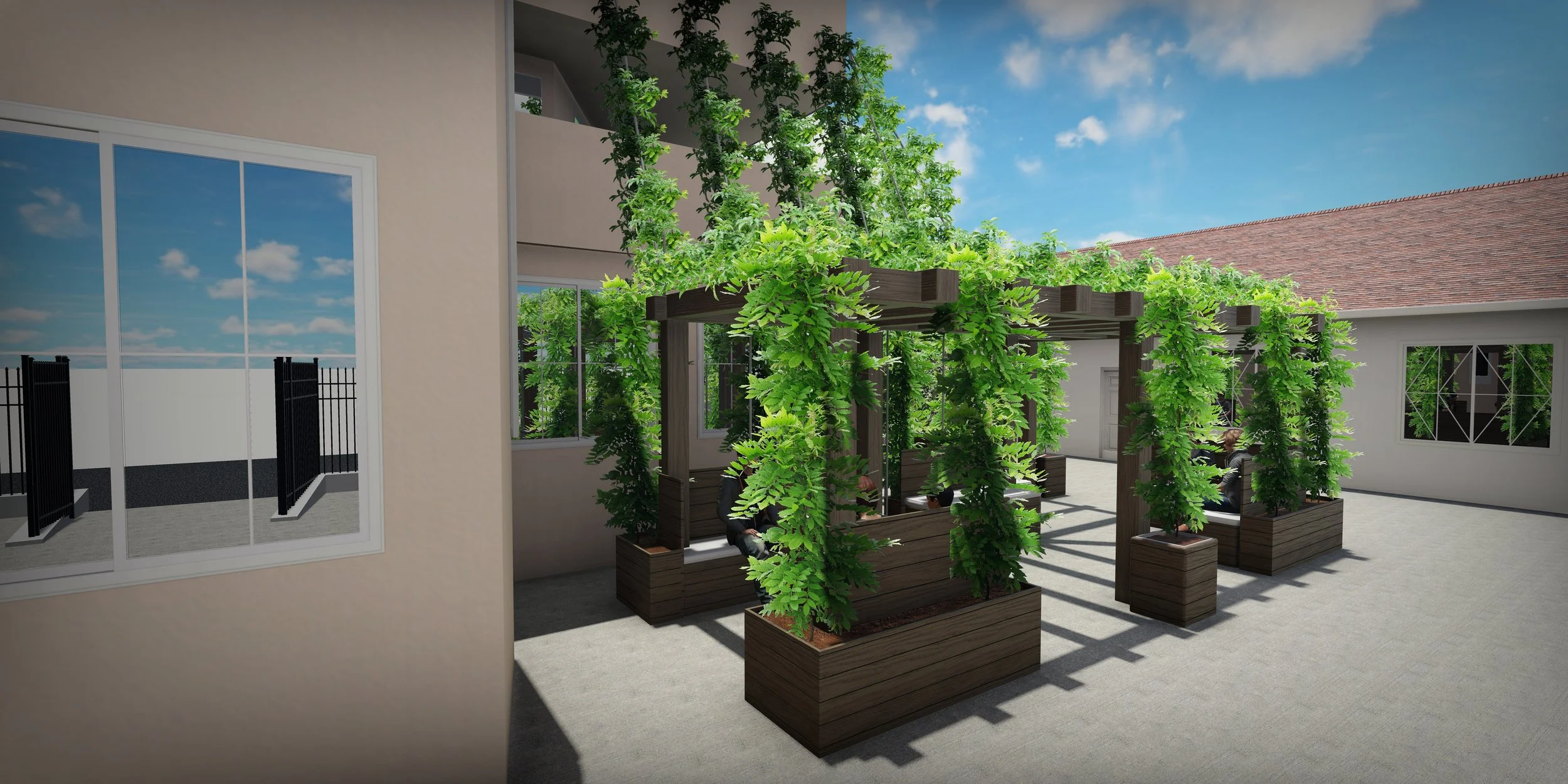
To round off the mutual learning between Leader and Follower Cities, partners then travelled on 16 October to Hersonissos, one of our Follower Cities. Municipal representatives welcomed them at the Town Hall and presented the planned Green Wall at the Hersonissos Cultural Centre. By combining bioclimatic vertical greening with smart sensors, the intervention will explore how nature-based solutions can help buildings and public spaces adapt to rising temperatures, mitigate urban heat, and reduce energy consumption in a coastal environment shaped by tourism and Mediterranean conditions.
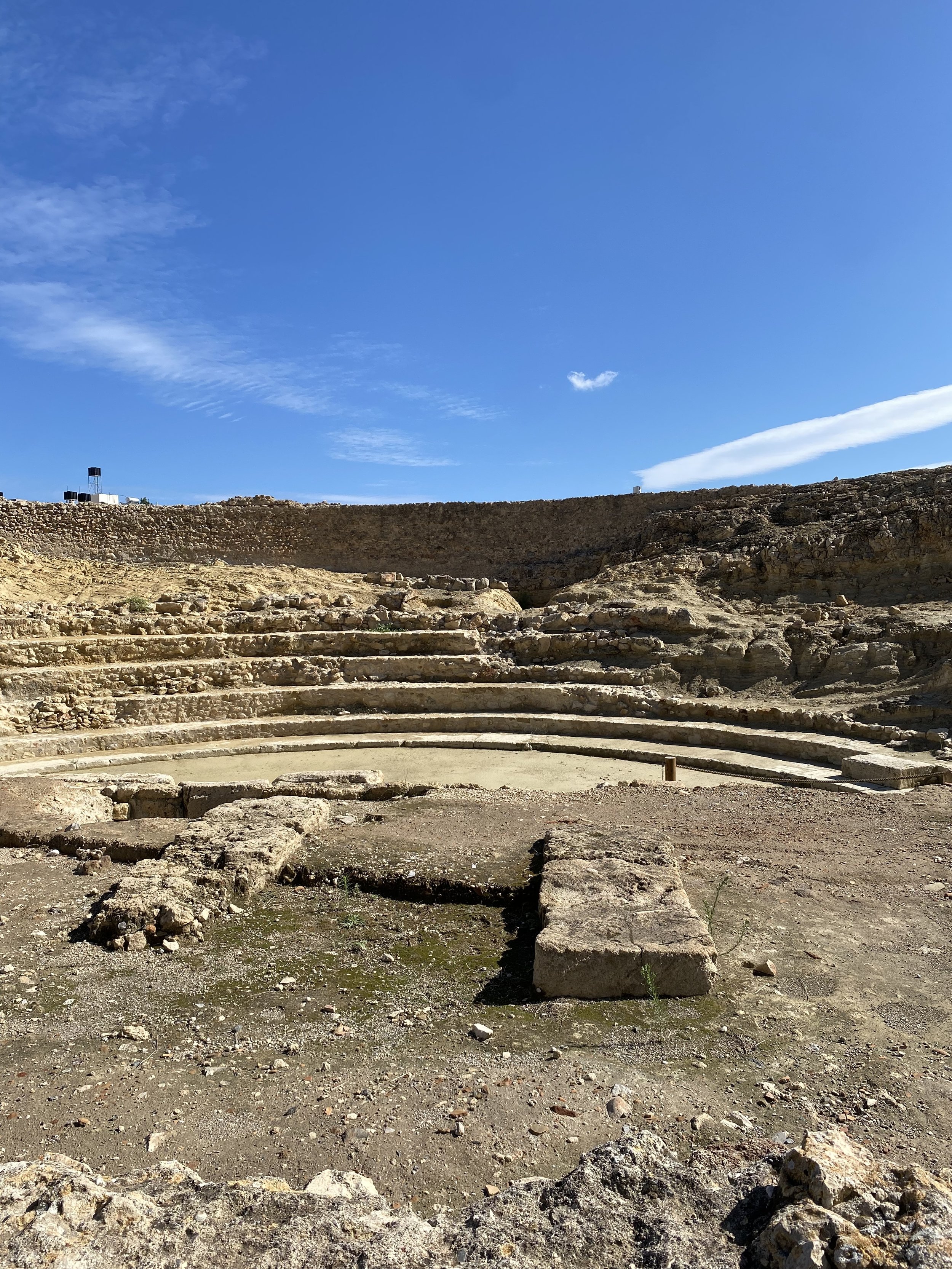
The visit concluded with a tour of the intervention site and the Ancient Roman Theatre of Hersonissos.
What’s next for GreenInCities?
Four days, two Greek destinations and eleven European cities, all working towards a shared ambition: making urban regeneration greener, more inclusive and more responsive to the needs of people and nature.
The Athens meeting marked an important transition for the project. With construction underway in Helsinki and Prato, other Leader Cities preparing their interventions and Follower Cities advancing their own masterplans, the coming months will show how GreenInCities’ methods translate into tangible urban change.
The next consortium meeting will take place in Prato, Italy, in 2027, offering another chance to exchange lessons as implementation progresses.