
How more-than-human stakeholders are shaping urban transformation
For years, urban planning, research, and innovation have focused on people; making cities more accessible, more comfortable, more liveable. It’s a shift that has brought many benefits, but also one major blind spot: we’ve forgotten that cities are not just human spaces. They’re alive with birds, insects, stray animals, and species that quietly shape the health of our ecosystems. When these more-than-human cohabitants are ignored, the consequences unfold: habitats become fragmented, ecosystems break down, and biodiversity fades.
But what happens when we start seeing cities through other eyes, through wings, paws, or wetland roots?
In GreenInCities, each pilot city is invited to imagine their intervention from the perspective of a more-than-human stakeholder. A squirrel, a dragonfly, a street cat. Each brought its own story, its own needs, and its own set of challenges for planners to confront. Because designing for more-than-humans is not easy. It demands new knowledge, new tools, and sometimes, a complete rethink of our priorities.
And yet, in doing so, it unlocks something transformative: an urbanism that listens more closely. One that recognises the interdependence of life, and begins to rebuild cities not just for people but for the full chorus of life they shelter.
Helsinki | The Siberian flying squirrel's safe passage
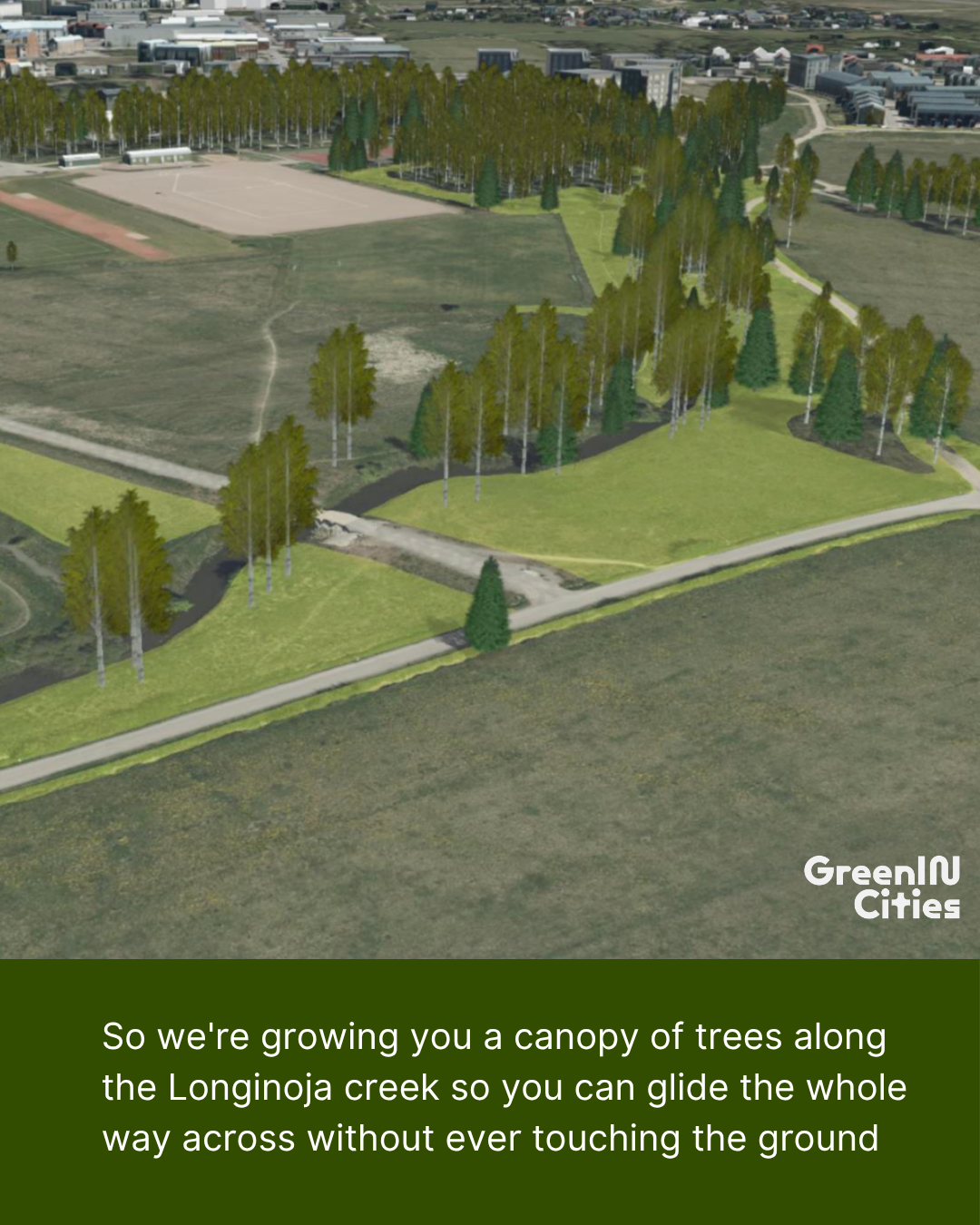
In the northeastern district of Malmi, nestled between the historic urban center and the rapidly developing neighborhood of Malminkenttä, lies Longinoja Park. Here, a quiet, winding stream flows through a mosaic of former agricultural fields, wild meadows, and dense forest patches—a fragile green sanctuary in the middle of a growing city.
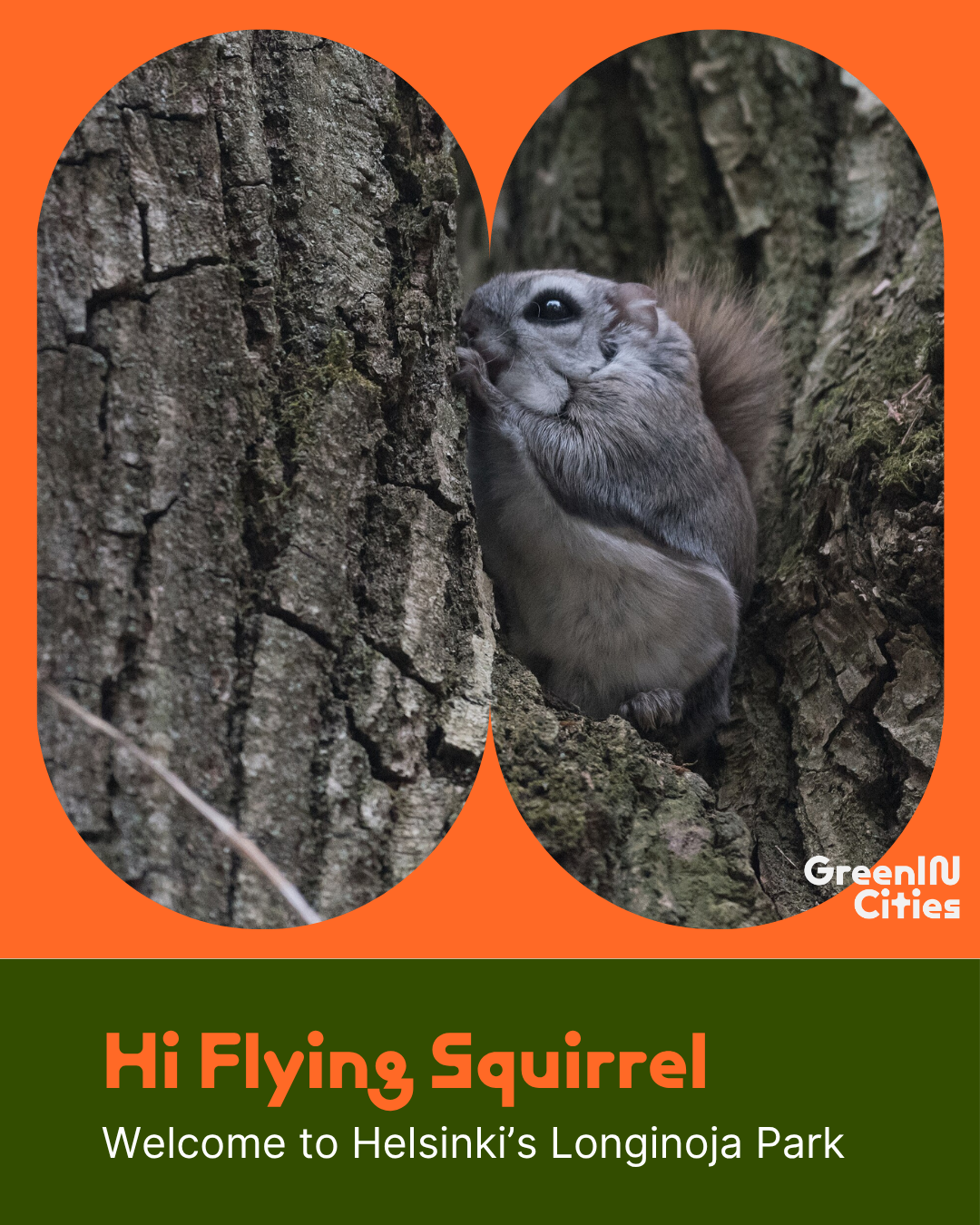
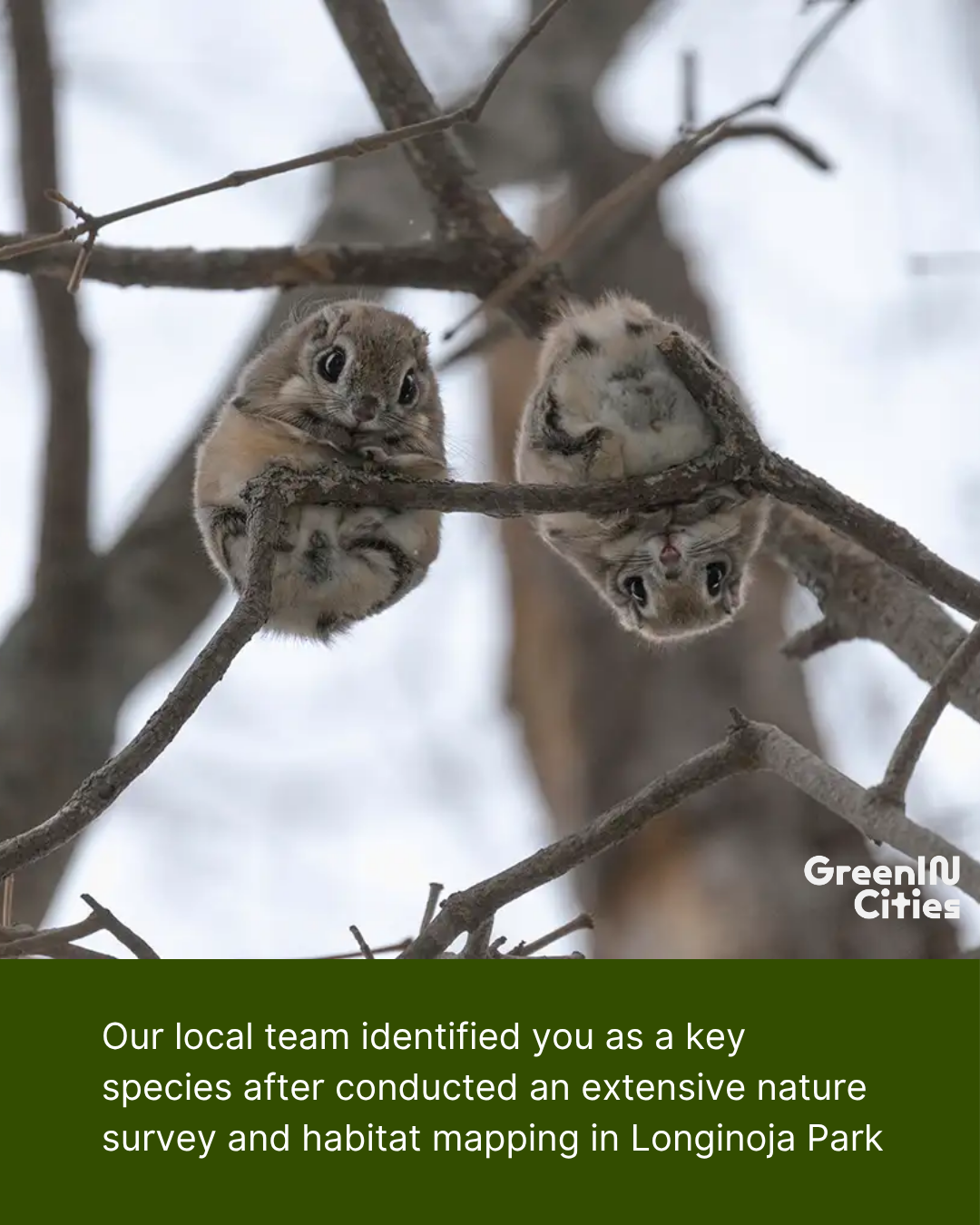
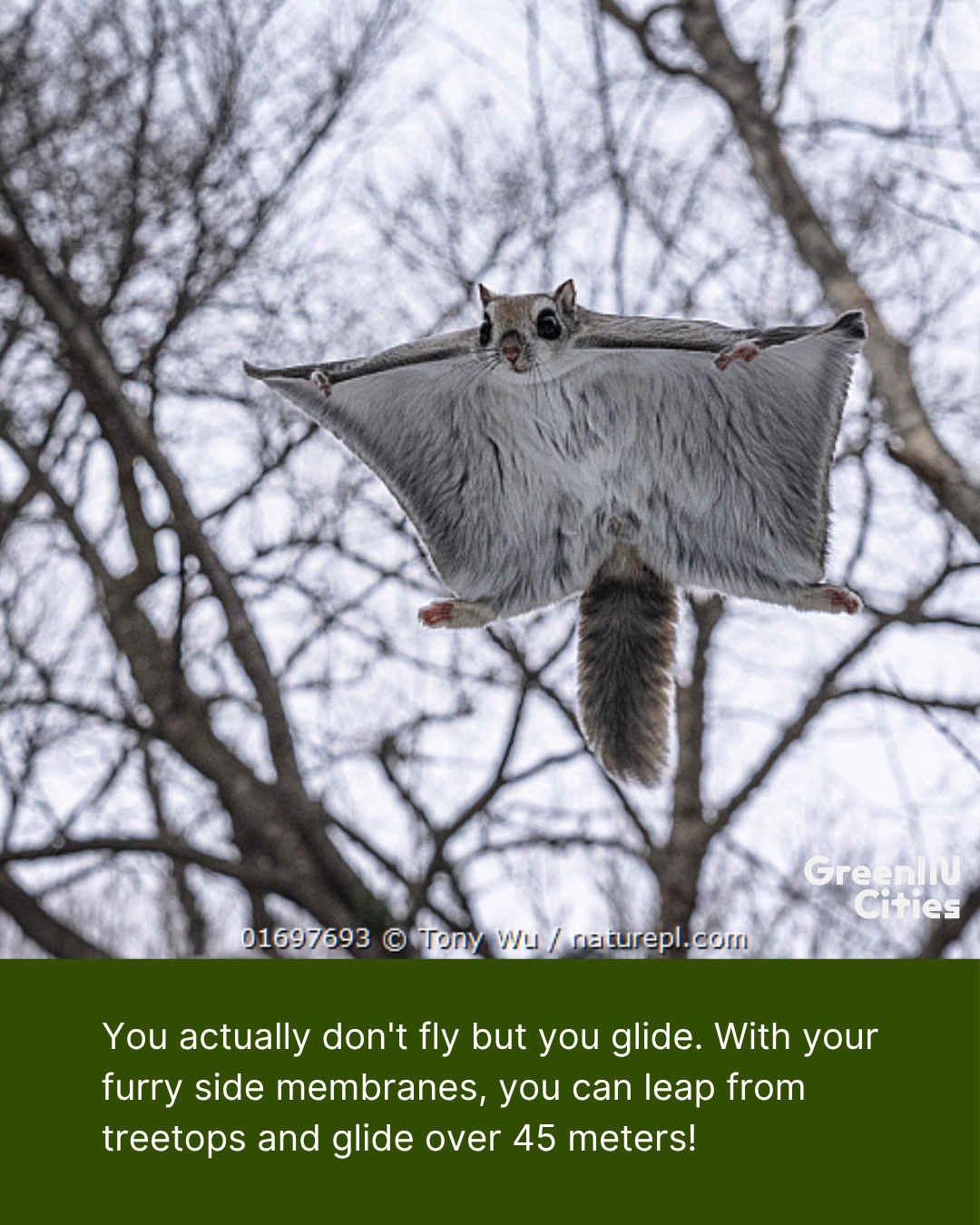
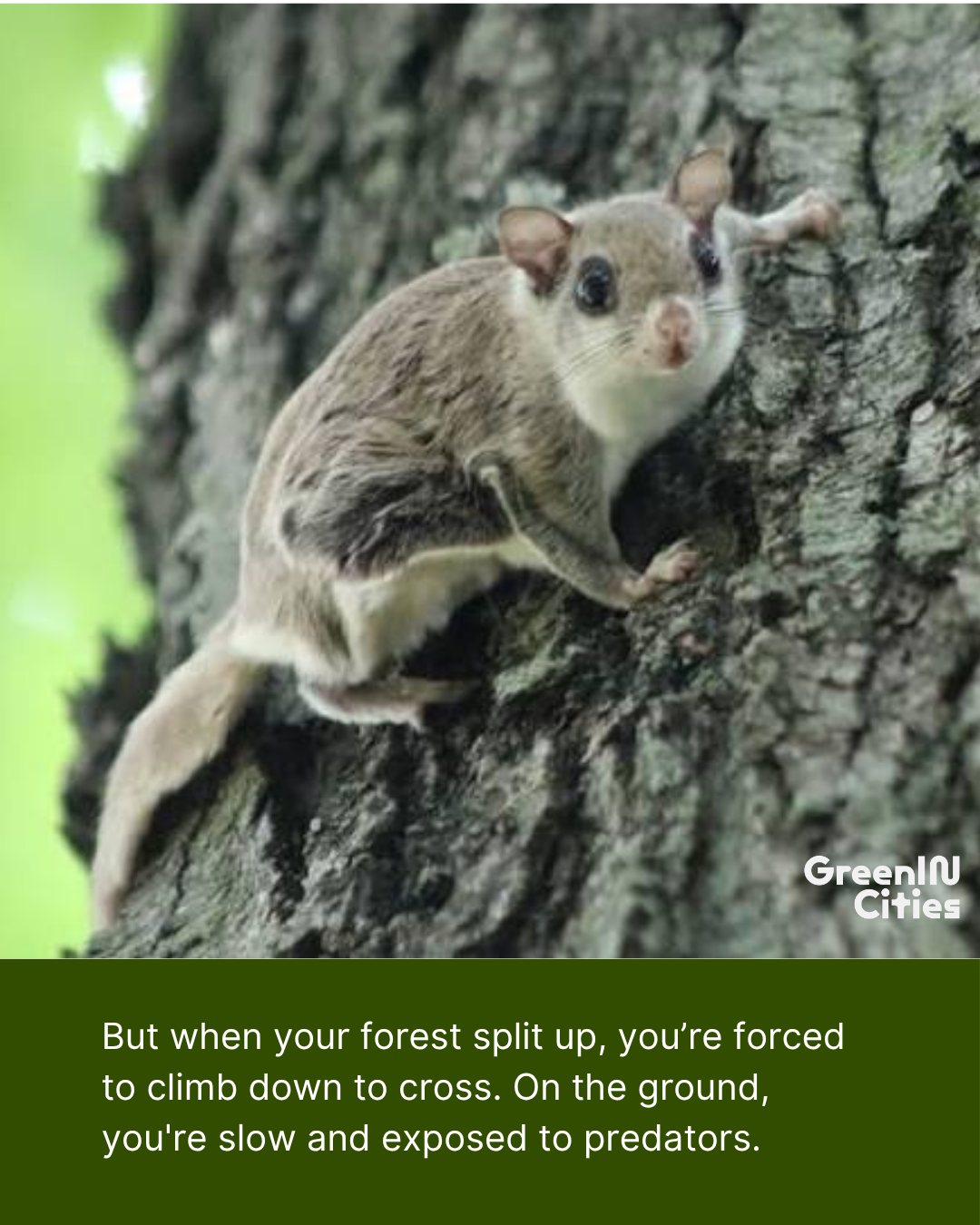
High up in these quiet treetops lives the Siberian flying squirrel (Pteromys volans), a strictly protected, nocturnal mammal listed under Annex IV of the EU Habitats Directive. Although it doesn't fly in the traditional sense, this nimble creature leaps from high branches and glides gracefully across forest gaps using a furry side membrane (patagium). To forage, nest, and thrive, the squirrel relies entirely on an unbroken highway of tall tree canopies—because descending to the ground leaves it slow and dangerously exposed to predators. As urban construction around Malmi threatens to fragment its forest routes, protecting this arboreal lifestyle has become vital.
Co-creation process & key outcomes
To bridge the gap between traditional municipal planning and ecological empathy, the local team from Forum Virium Helsinki and the City of Helsinki engaged local schoolchildren from Hietakumpu Elementary School and nature activists during the Malmi Nature Evening workshops. Stepping into the paws and fins of local species, this "Species Council" directly shaped the final masterplan and current construction actions:
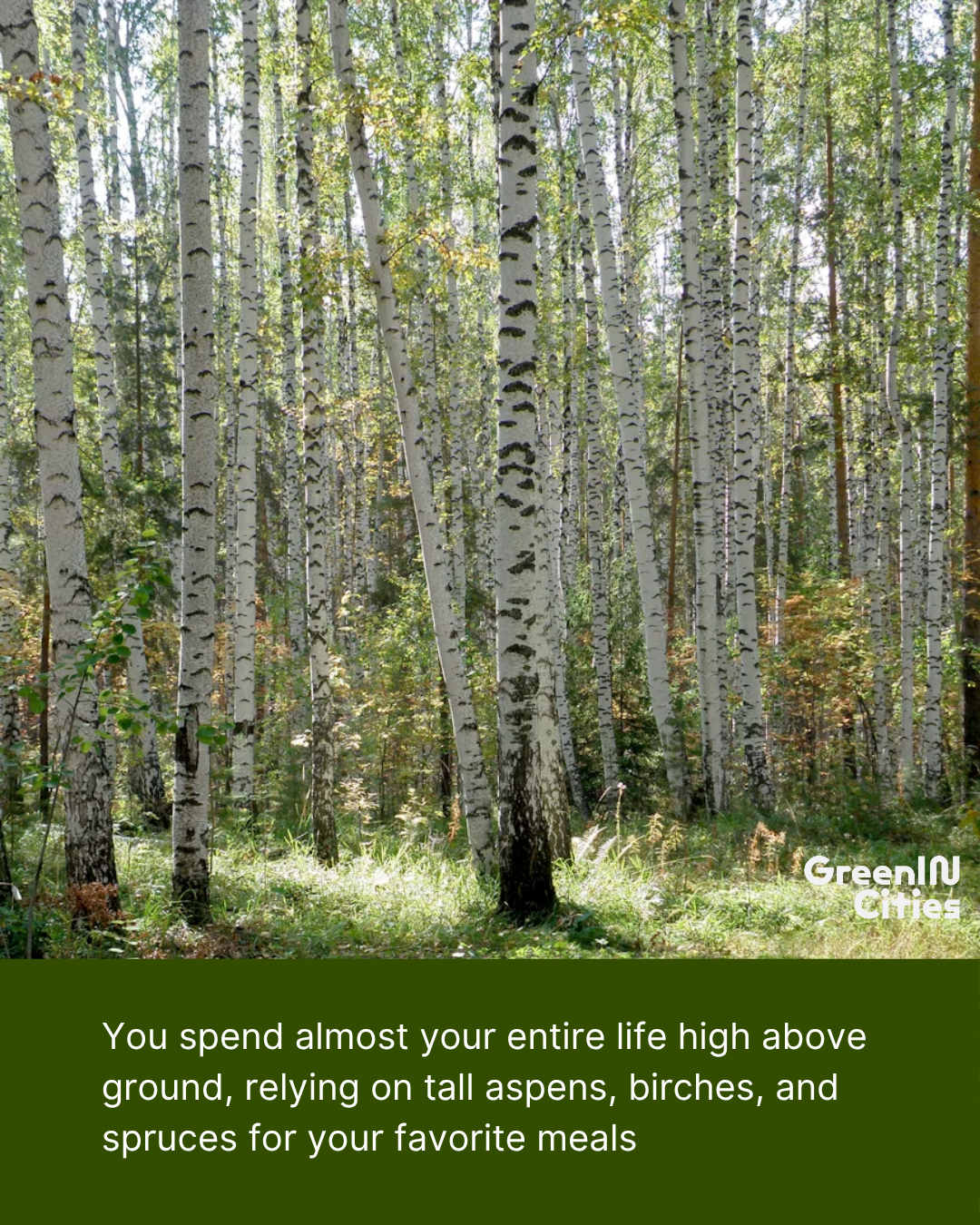
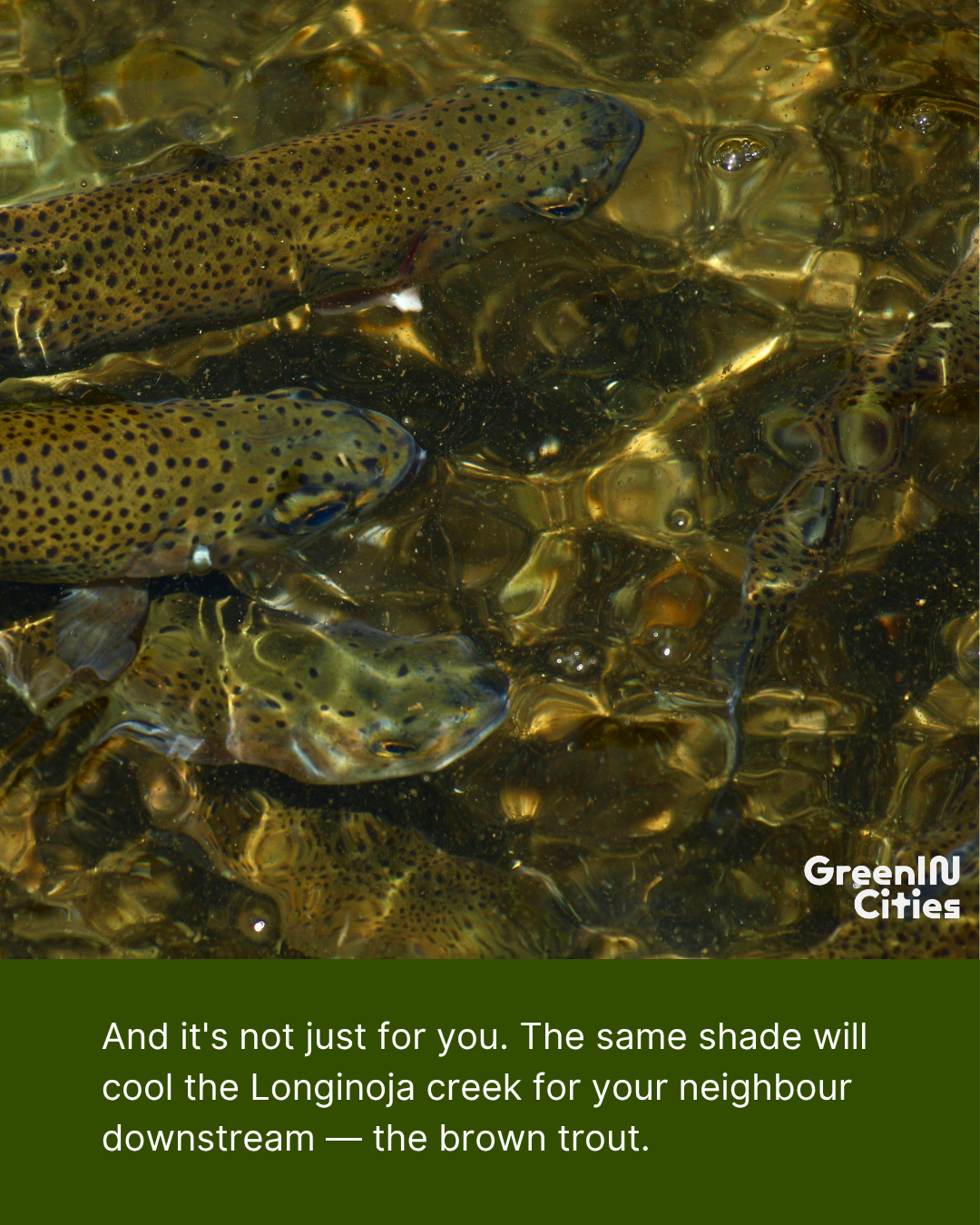
Co-beneficial canopy corridors: To facilitate the safe movement of flying squirrels, the masterplan incorporates continuous tree canopy corridors by planting rows of native aspens, spruces, and birches. Crucially, these tall trees also cast cooling shade over Longinoja Creek, lowering water temperatures and preventing eutrophication to protect their neighbor downstairs—the endangered river trout.
Stormwater storage and biochar filtration: The intervention includes widening the Ala-Malminoja ditch to retain heavy rains, slow water flow, and create a new wetland habitat. The installation of biochar filter structures in the ditch regulates nutrients, stores carbon, and purifies stormwater before it reaches the stream.
Wild meadow & co-maintenance with residents: Monotonous grass fields are being replaced with pollinator-friendly wild meadows to combat invasive alien species and restore native floral biodiversity. An open-group of residents is being formed to help care for the meadows and play an active role in the project.
Circular materials & local resources: Nothing goes to waste on this site. Soil excavated from the Ala-Malminoja ditch is reused on the adjacent field, and a new meadow habitat grows on the landfill. Recycled materials provide the growing medium for the new meadows, and locally harvested reed paves some of the footpaths.
upcoming stories:
Nova Gorica | Dragonflies as ecosystem guardians
Athens | Stray cats and the ethics of coexistence
Prato | A day in the life of a mining bee
Barcelona | Grey herons and white wagtails in search of refuge
Why this approach matters
Treating more-than-humans as stakeholders reframes urban problems and unlocks new kinds of solutions. From meadows that support pollinators, to playgrounds that double as wetlands, the cities of GreenInCities are demonstrating that urban design is ecological design.
These interventions are more than symbolic. They are rooted in scientific observation, participatory processes, and system thinking — advancing not only climate adaptation but also inclusivity, biodiversity, and wellbeing.
What might your city look like if it were designed by a squirrel, a dragonfly, or a street cat?
