
Moving from Ideas to Action: Insights from the Helsinki Consortium Meeting
There is no better way to experience the common effort and the first impacts of a project than to gather together.
The GreenInCities consortium recently met in Helsinki, this meeting marked a pivotal turning point for the project, as our Leader Cities officially transitioned from the co-analysis and co-design phases to the implementation of Nature-based Solutions (NbS), showcasing the first GreenInCities innovation use cases.
For three days, partners shared and gathered knowledge on how cutting-edge digital tools and community-driven design can heal the divisions between urban environments, vulnerable communities, and non-human species. Beyond the technical progress, the event was a powerful testament to the collaborative connections driving our European network, bringing partners together in person to build a shared vision for greener cities.
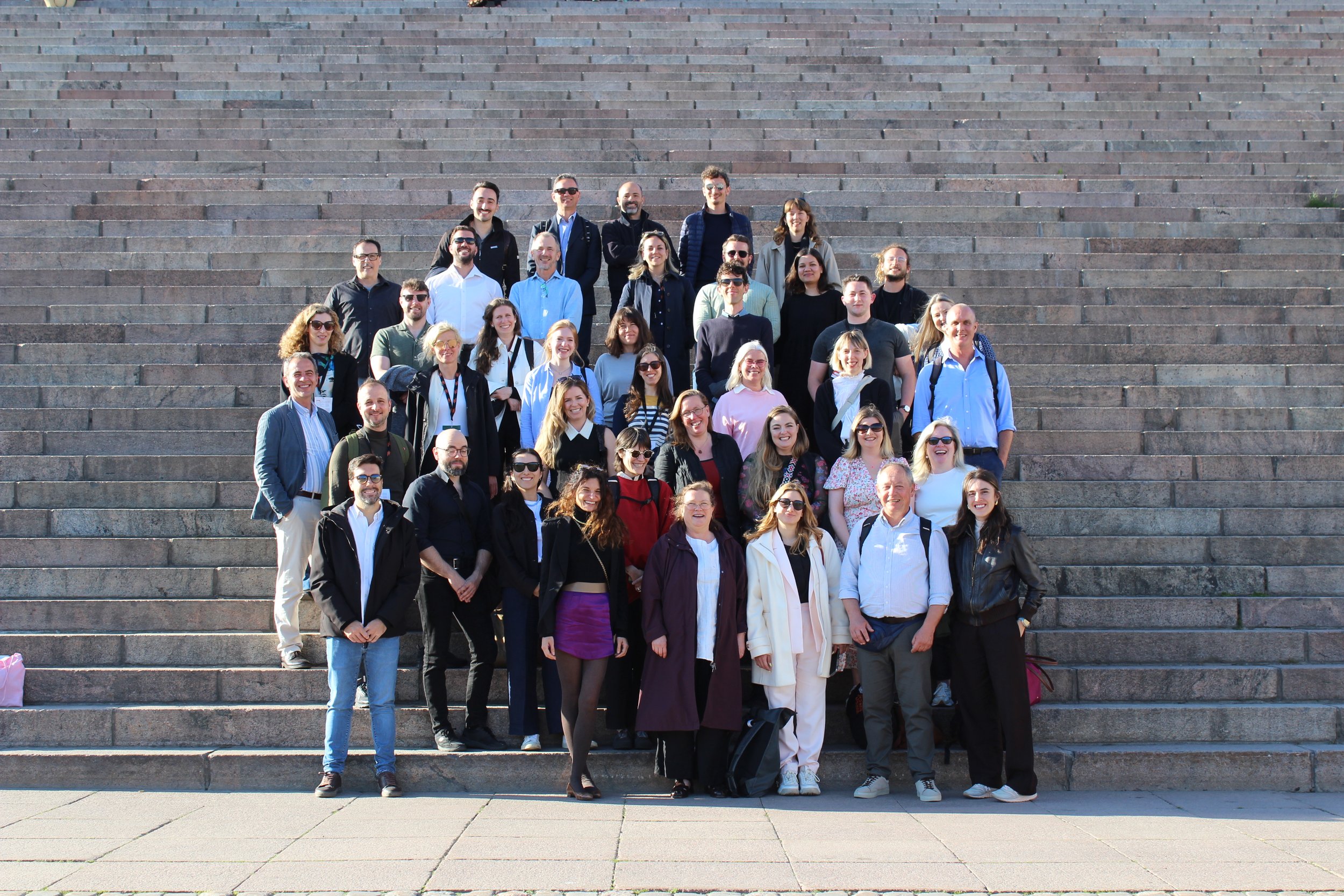
The GreenIn Cities consortium in Helsinki
Our visit to the Helsinki Pilot: Hear from the squirrels at Longinoja Park.
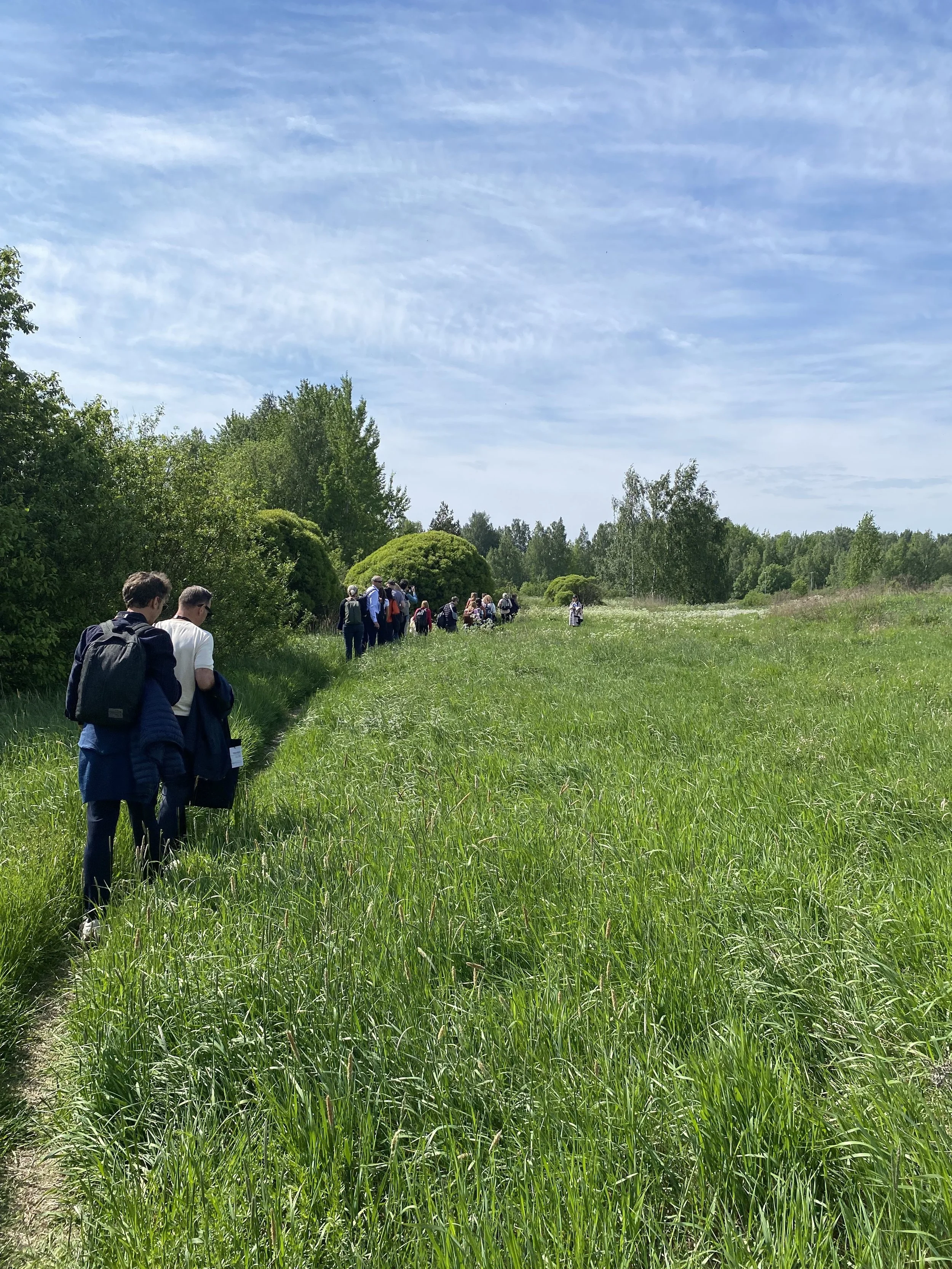
Our guided tour of the pilot site led by our partners in Helsinki
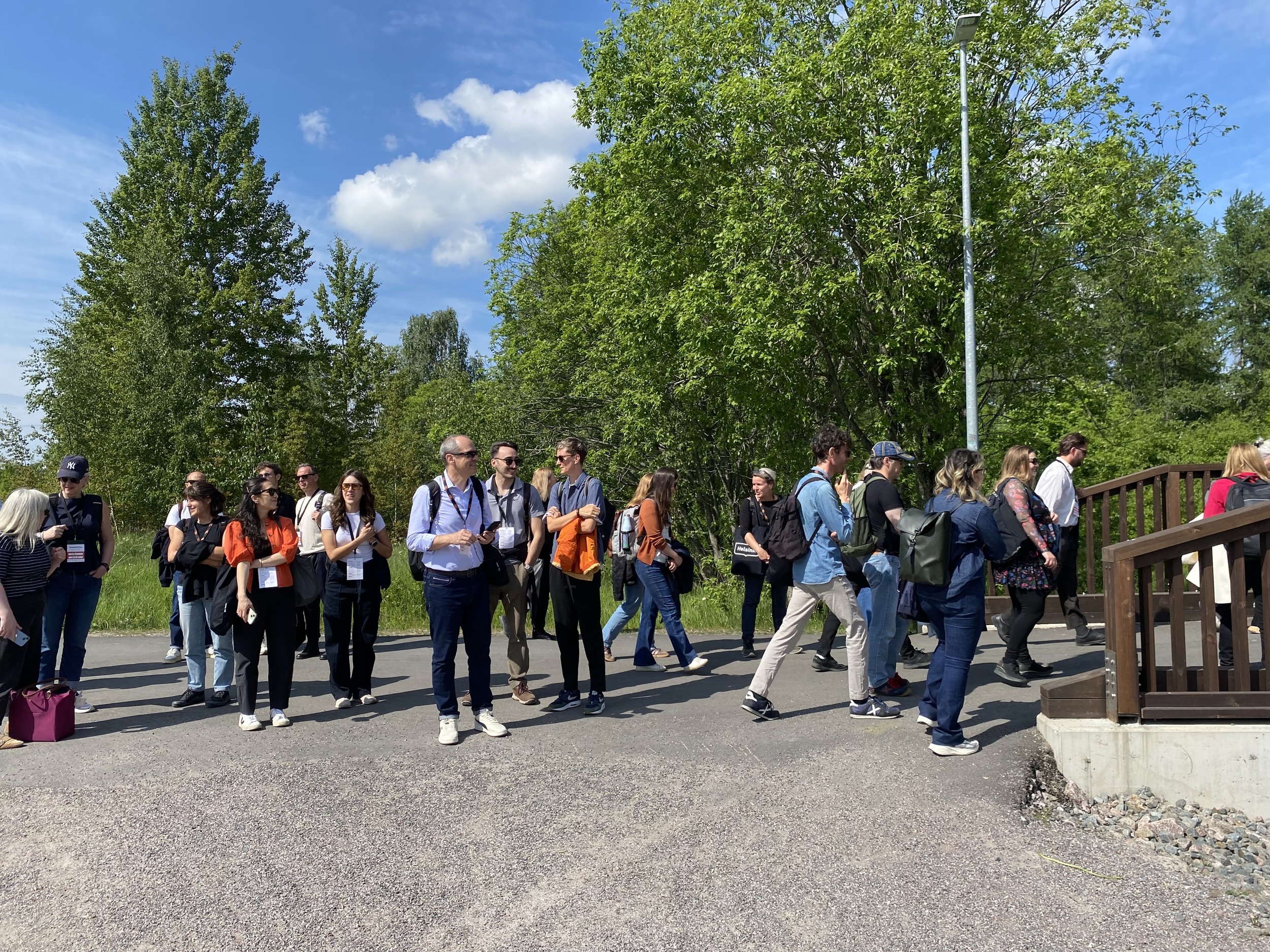
A first stop by the stream to watch the brown trout
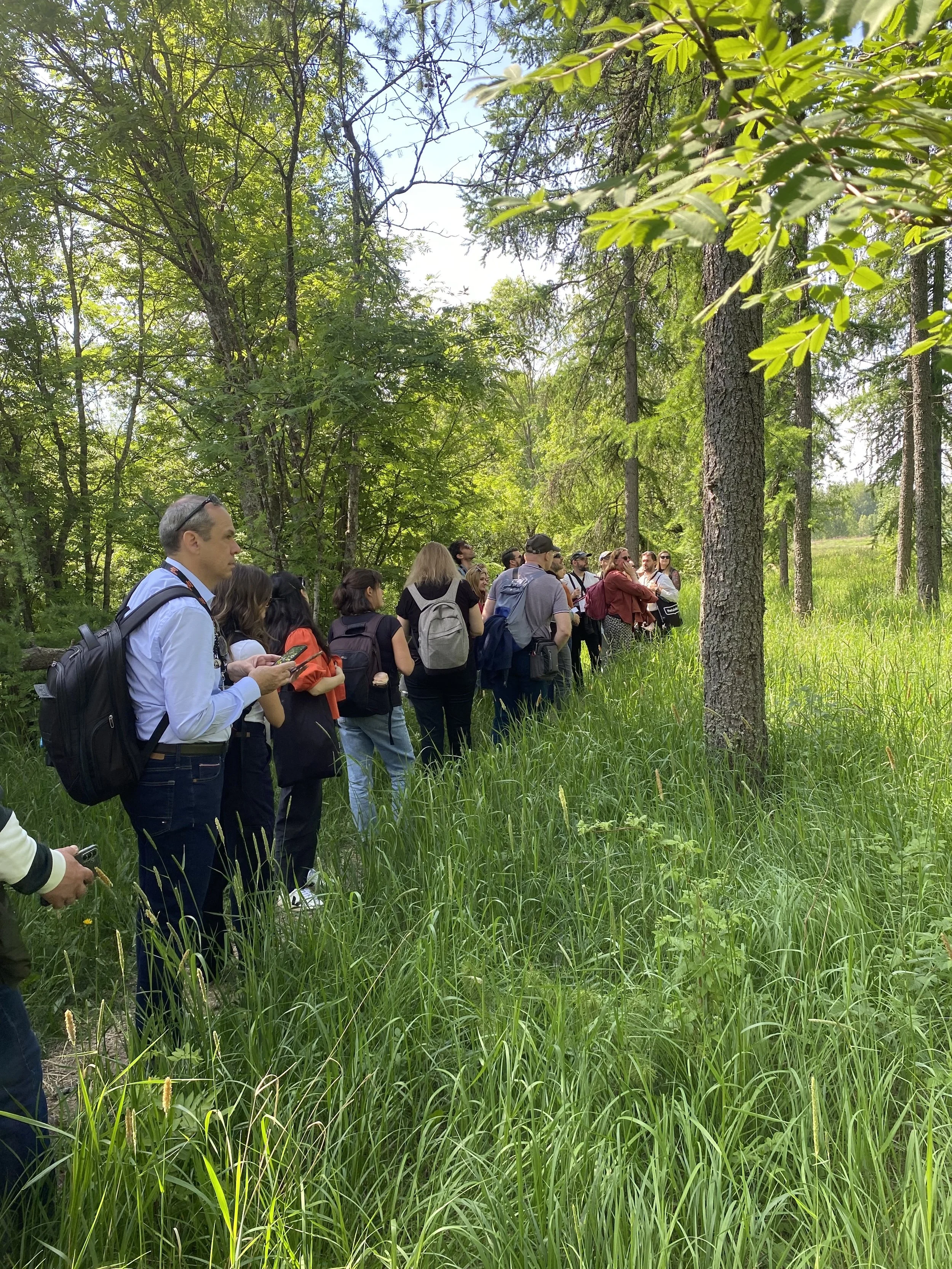
Who spotted the very famous local Siberian flying squirrel?
A major highlight of the meeting was the on-site visit to the local pilot areas at Longinoja Park and Ala-Malmi Square. The Helsinki pilot aims to bridge the gap between the older Malmi district and the rapidly developing Malminkenttä, integrating vulnerable human groups alongside "non-human" stakeholders in urban regeneration and protecting a highly fragile local ecosystem.
To do this, our local partners’ team turned the traditional town hall meeting on its head with the "Malmi Nature Evening". Using an adaptation of the Animal-Oriented Design workshop, elementary students and nature activists literally stepped into the paws and fins of local wildlife—acting as a "species council".
Through this empathetic co-creation method, residents advocated directly for the Siberian flying squirrel and the brown trout. The resulting masterplan reflects these non-human needs beautifully: rather than paving a disruptive path near the creek, the city will implement microforests, deploy biochar filtration to control stormwater nutrients protecting the trout, and plant continuous tree canopy corridors so the flying squirrels can glide safely across the urban divide. With the community preparing to co-validate these final designs, on-the-ground implementation is slated for the summer of 2026, carefully timed to avoid disrupting the local bird nesting season.
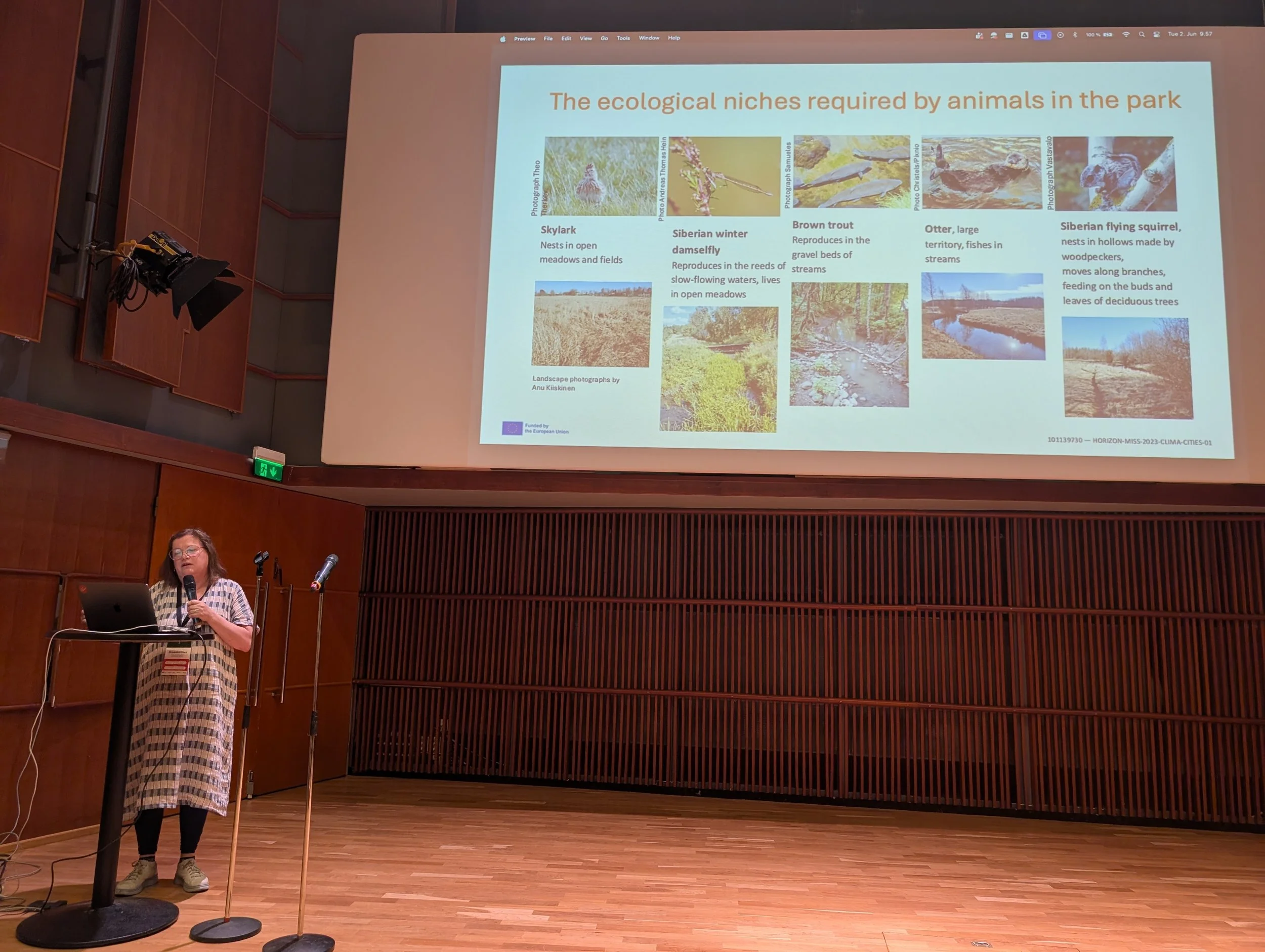
Overview of the habitat requirements of local species in Longinoja Park
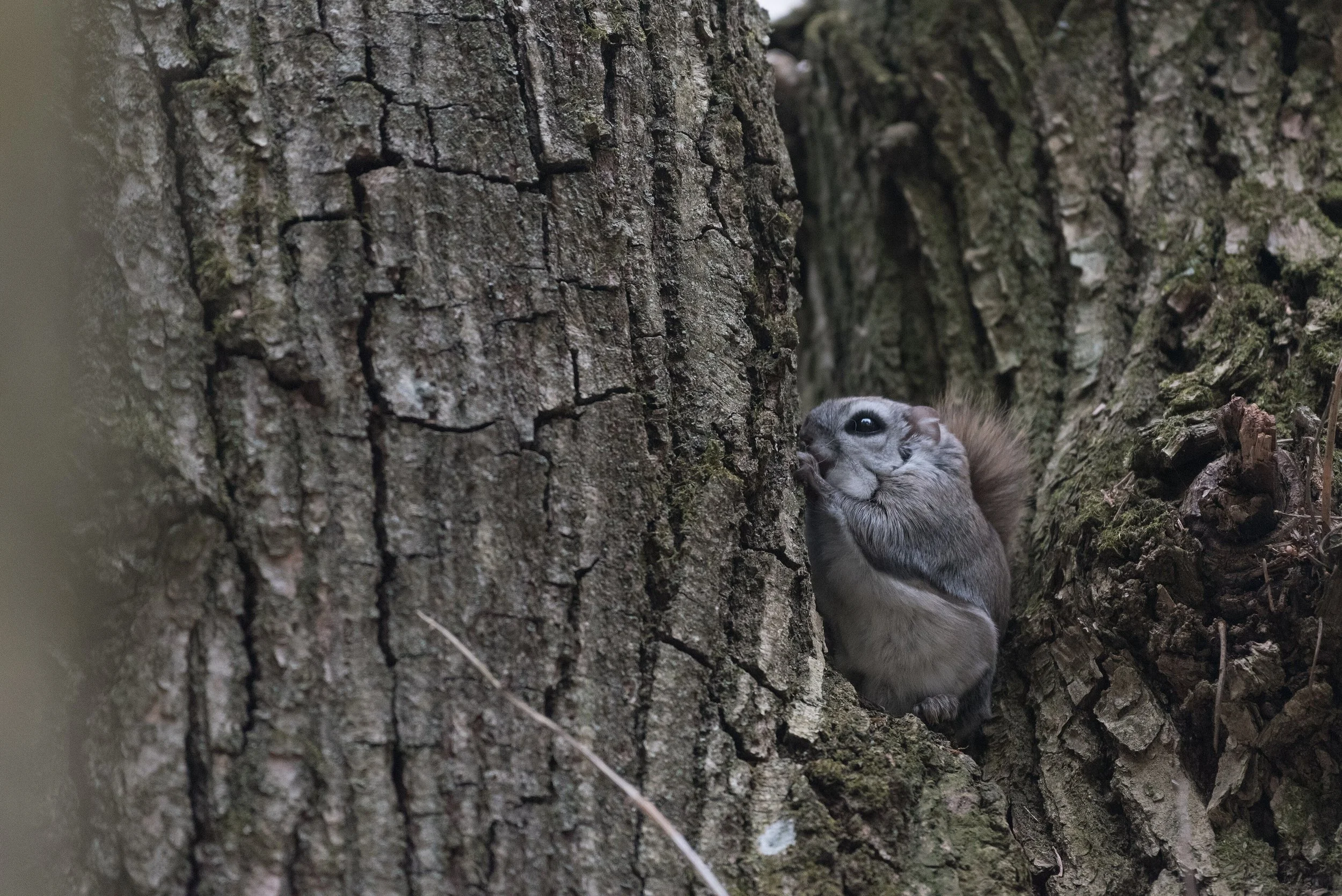
A Siberian flying squirrel in the forest, image from Wikipedia
These ecological measures are paired with community-focused "Green Practices." Through wilderness education and community gardening, local residents are empowered to co-build and co-mantenance the future infrastructure and safely reconnect with this thriving urban biodiversity.
Helsinki is just one piece of the puzzle. Across Europe, the other Leader Cities are translating their co-designed masterplans into reality, each tailoring the GreenInCities methodology to their unique local context while placing their specific non-human stakeholders at the centre.
The Digital Backbone of Urban Regeneration
Urban greening in GreenInCities isn't just about planting trees; it's about predicting their impact before a single seed is planted. The consortium received exciting updates on the project's digital toolbox, demonstrating how technology bridges the gap between climate ambition and built reality:
Visualizing the Future: Kaunas University of Technology (KTU) is developing Digital Twins to recreate urban environments in 3D. Complementing this, the University of Porto (FCUP) showcased the Tree Simulation system, which uses AR to help citizens and decision-makers visualize vegetation growth and seasonal changes over time.
Measuring Thermal Comfort and Health: To ensure interventions are truly effective, IES R&D presented their physics-based UTCI Simulations for predicting outdoor thermal comfort. Simultaneously, NeuroLandscape shared updates on the Mental Health Digital Twin (MHDT), an innovative tool designed to predict how new green spaces will alleviate human stress and improve mental wellbeing.
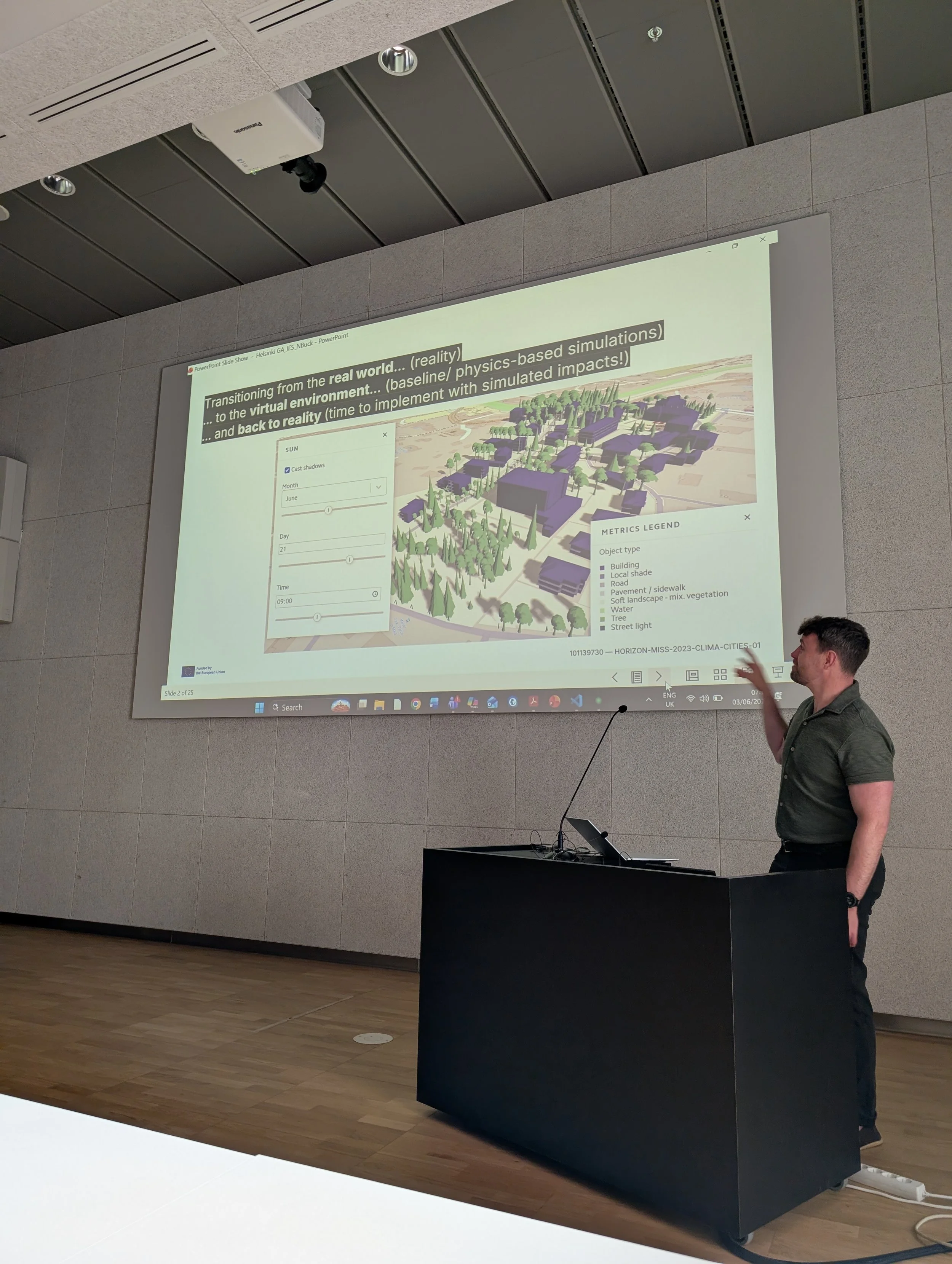
Presentation of the physics-based UTCI Simulations for predicting outdoor thermal comfort
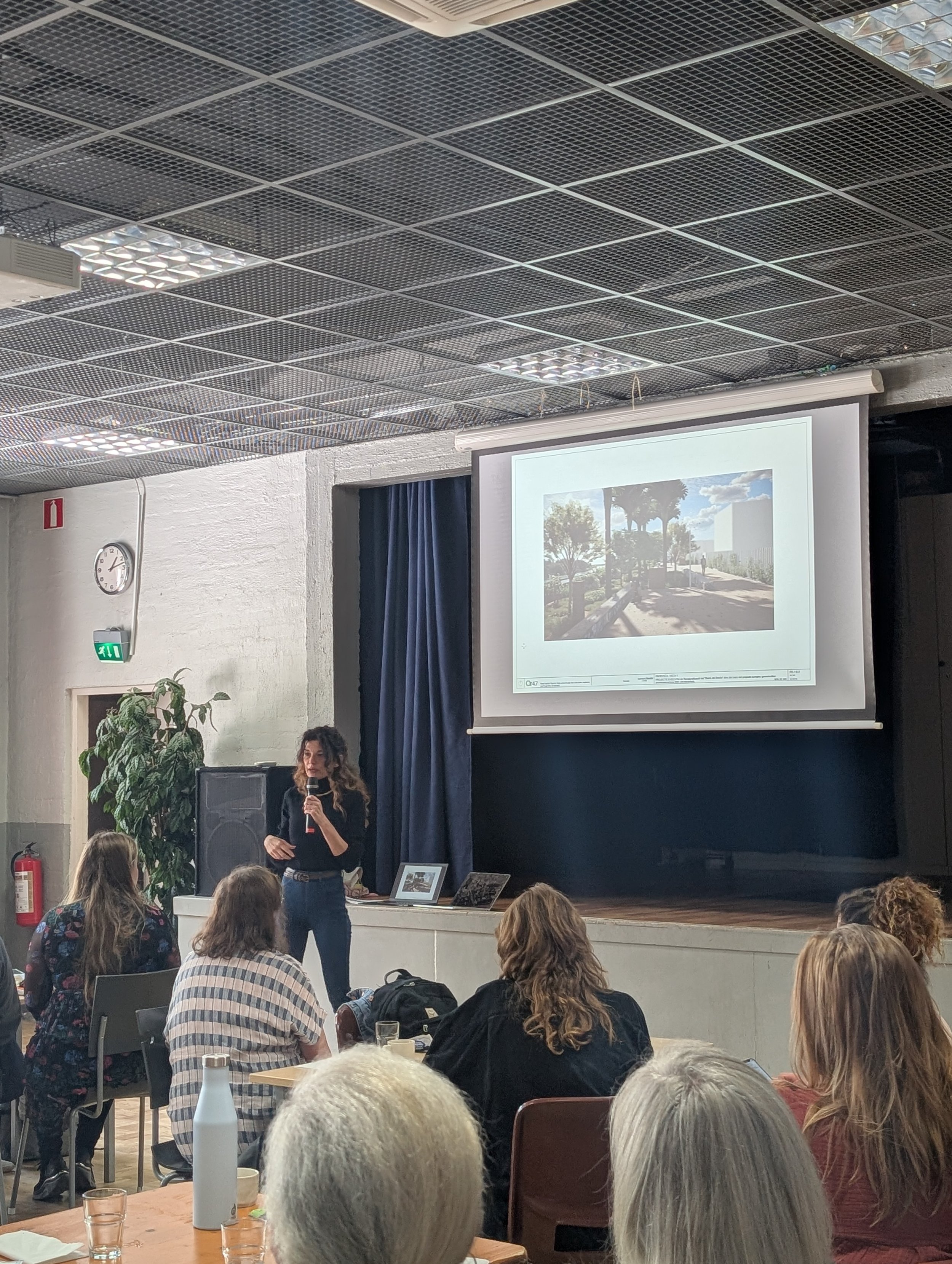
Presentation of the Barcelona Pilot using the Tree Simulation system
Expanding the Impact: The Twinning Methodology
The meeting also served as a collaborative hub for scaling these solutions across Europe. The ultimate goal of GreenInCities is to enable our six Follower Cities (Birštonas, Cork, Hersonissos, Matosinhos, Pécs, and Reykjavík) to replicate the successful methodologies tested by the Leader Cities.
Through a dedicated Community of Practice (CoP) and Twinning Workshop, cities exchanged critical knowledge. By working together, the Follower Cities are finalizing their Replication Strategies, adapting these validated digital tools and Nature-based Solutions to overcome their own unique local climate challenges.
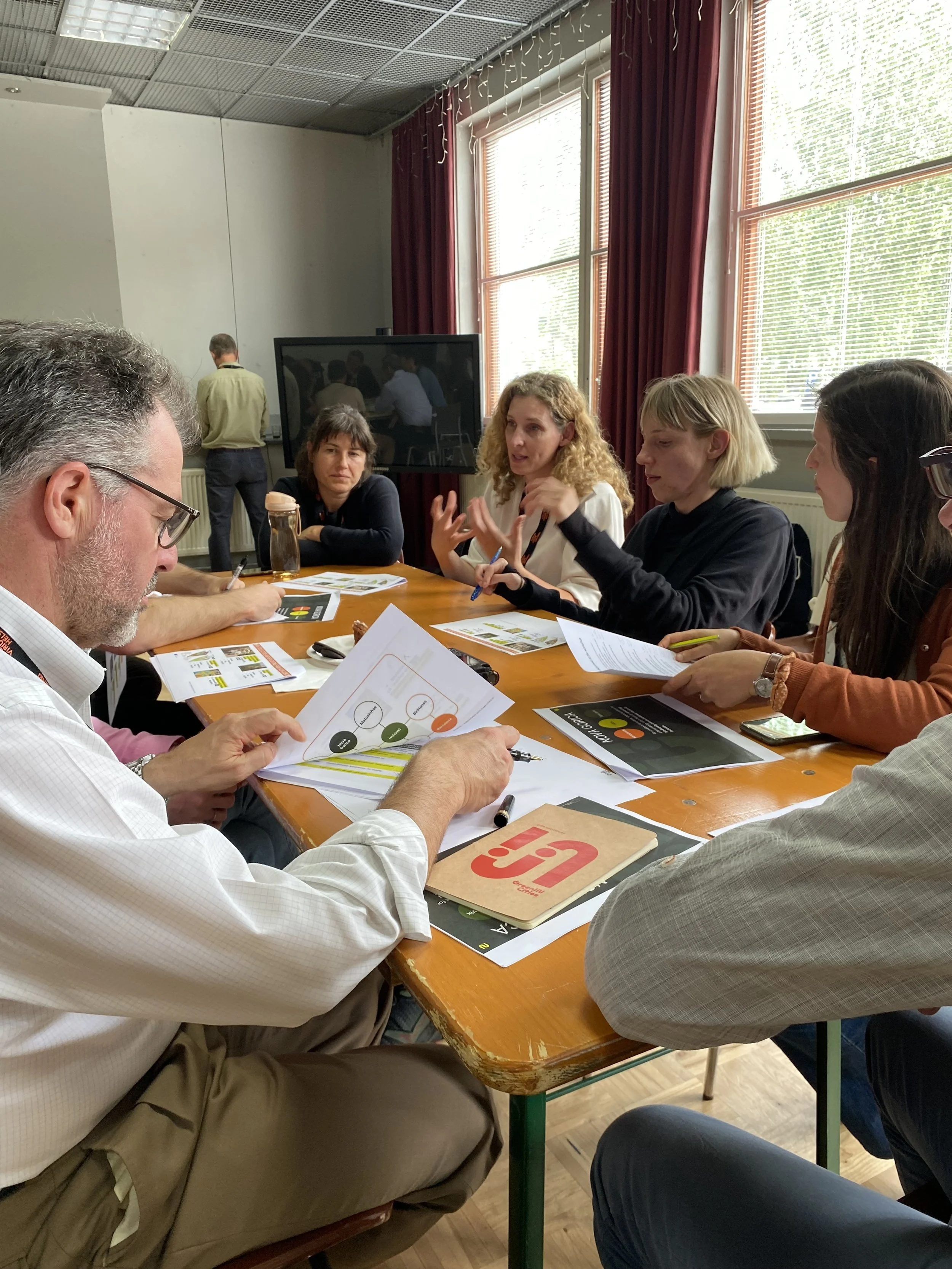
Knowledge exchange between Nova Gorica and Matosinhos
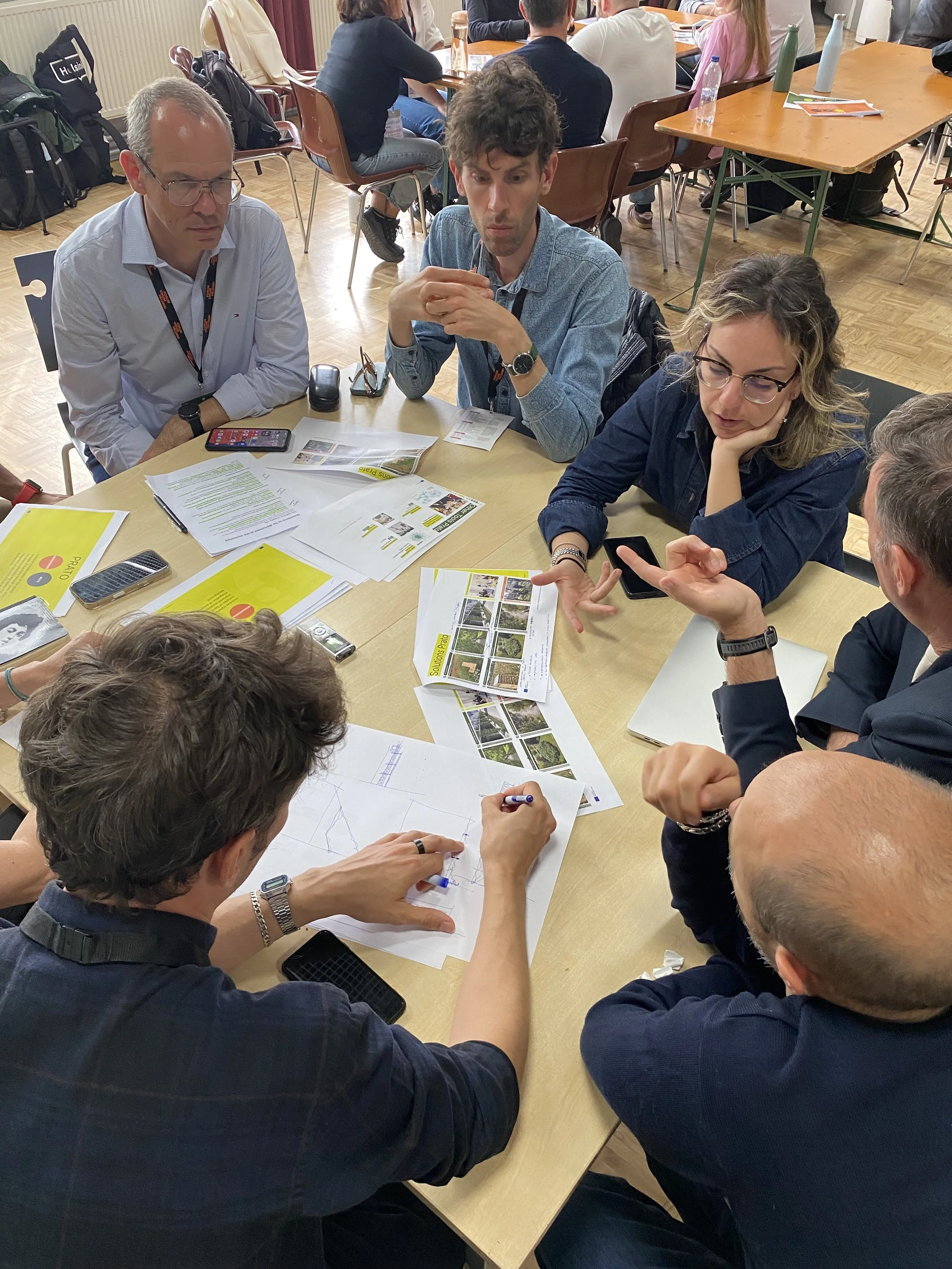
Knowledge exchange between Prato and Hersonissos
What's Next?
With their masterplans finalized, the Leader Cities are crossing a major threshold into real, on-the-ground action. The Helsinki meeting proved that by combining quantitative data, qualitative participation, and citizen science, we can create cities that are greener, fairer, and designed for all life.
In the following months, GreenInCities will be actively promoting its Innovation Use Cases, demonstrating in concrete terms how our digital tools, participatory methods, and Nature-based Solutions are driving urban transformation.
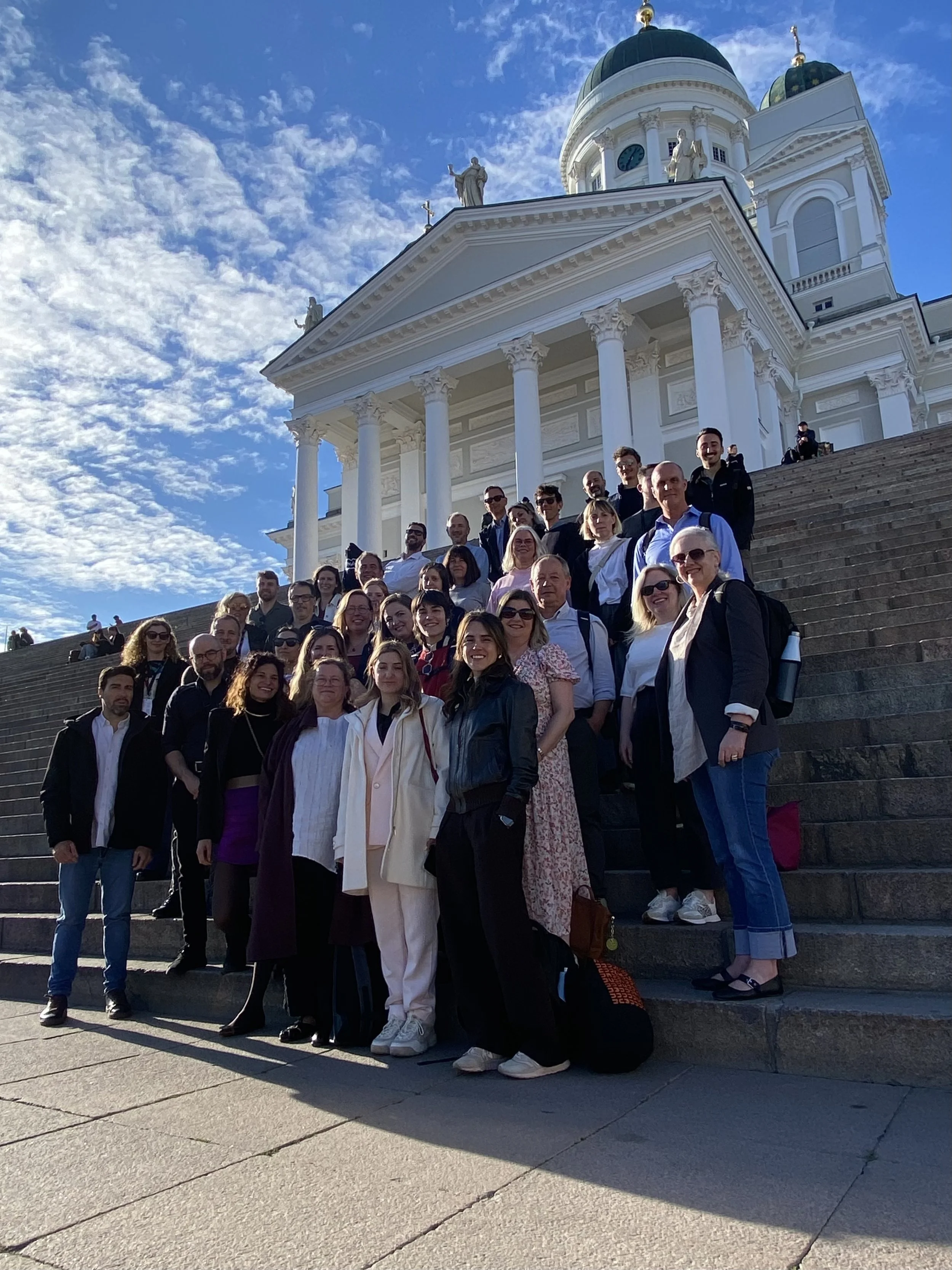
The GreenIn Cities consortium in front of the Cathedral of Helsinki
